

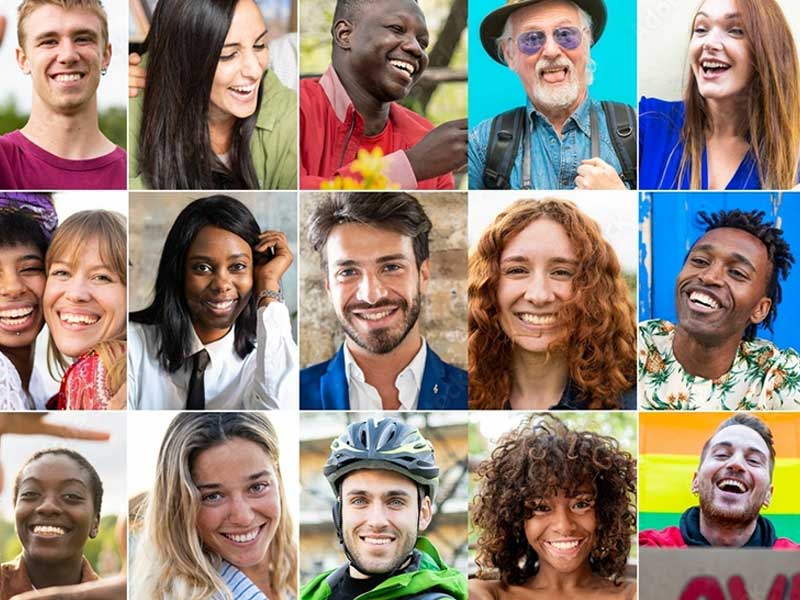
Every year, Neurodiversity Celebration Week offers an opportunity to pause, reflect and challenge the way we think about difference. Rather than viewing neurological differences as problems to be fixed, the week encourages us to recognise and celebrate the diverse ways human brains think, learn and experience the world.
For many people, neurodiversity has become a buzzword. But at its heart, the concept represents something much deeper. It’s a shift in perspective from deficit to difference, from limitation to variation, and from fixing individuals to improving environments.
As awareness grows, so does the opportunity to build environments where different minds are understood and valued.
The concept of neurodiversity was first articulated in the late 1990s by Australian sociologist Judy Singer. While studying autism and disability studies, Singer proposed that neurological differences such as autism, ADHD and dyslexia should be understood as natural variations of the human brain rather than purely medical disorders.
Drawing inspiration from ideas about biodiversity and social diversity, she argued that just as ecosystems benefit from biological variety, society benefits from different cognitive styles and ways of thinking.
Singer’s work helped shift the conversation from focusing solely on deficits toward recognising strengths, identity and the importance of inclusive environments that allow neurodivergent individuals to thrive.
Growing up, I didn’t realise that my brain worked differently. There was no language for it in my world at the time. I simply absorbed the messages around me: that I needed to try harder, listen more, concentrate better.
Teachers often said I had potential but wasn’t applying myself. The confusing part was that I actually loved learning. I enjoyed the structure of school, the routines, the feeling of understanding something new. But there were invisible barriers I couldn’t explain.
My mind was busy, my thoughts moved quickly, and my need for things to be “just right and perfect” sometimes meant tasks were left unfinished. It wasn’t a lack of ability or effort, but without understanding why things felt harder than they seemed for others, it was easy to assume the problem was simply me.
At home and in friendships, things could feel equally confusing. Social situations sometimes felt like a game where everyone else had the rulebook except me. I wanted to fit in, but I often found myself overthinking conversations or worrying that I had said the wrong thing.
Like many neurodivergent people, I became very good at masking, or camouflaging, observing others closely and copying what seemed to work so that I could blend in. From the outside, this can look like coping well. On the inside, it can be exhausting.
Trying to constantly manage how you appear to others while also navigating a brain that processes the world differently takes an enormous amount of energy.
Over time, those experiences began to shape the story I told myself about who I was. When you repeatedly hear that you are not living up to your potential, it can quietly settle into your identity.
I developed a narrative that I simply needed to push harder, organise better, be more disciplined. Many neurodivergent adults I’ve met describe a similar experience. Years of trying to fix themselves without realising that the challenges they faced were connected to how their brain worked.
Receiving an AuDHD diagnosis, later in life, changed that narrative. It didn’t suddenly remove the challenges, but it gave them context. Instead of seeing my past through the lens of failure or not trying hard enough, I could begin to understand it through the lens of neurodivergence. Moments that once felt confusing started to make sense.
More importantly, the diagnosis created space for self-compassion. It allowed me to recognise that many of the strategies I had developed along the way were not signs of weakness, but evidence of resilience, creativity and adaptability.
Looking back, I often think about how different things might have felt if that understanding had been available earlier. But I also recognise that the journey has shaped the work I do today. The experiences that once made me feel misunderstood have become the foundation for helping others feel seen, supported and empowered in their own neurodivergent identities.
This is why Neurodiversity Celebration Week matters. Earlier awareness and conversations about neurodivergence can change the stories people carry about themselves. Instead of growing up believing they are “too much,” “not enough” or “not trying hard enough,” individuals can begin their lives knowing that their brains simply work differently.
And when we understand that difference, we can start to build environments where those differences are not just accepted but valued. Because neurodiversity is not only about recognising challenges, it is about recognising potential. When we create spaces where different minds are understood, supported and celebrated, everyone benefits.
That, ultimately, is the spirit of Neurodiversity Celebration Week: a reminder that there is no single way for a brain to think, learn or experience the world and that our differences are part of what make our communities stronger.
Beverley Nolker
Education, Empowerment, & Advocacy Manager









Leave A Comment