


May is National Walking Month in the UK, a campaign led by the charity Living Streets to celebrate the benefits of walking and encourage more people to build walking into everyday life. This year, Living Streets is also highlighting the benefits of walking for women’s health and wellbeing through its #WalkOut campaign.
Walking is one of the simplest ways to move more. It doesn’t require specialist equipment, a gym membership or a complicated plan. For many people, it can be fitted into daily life in small, manageable ways: walking to the local shop, getting off the bus one stop earlier, taking a short walk during a lunch break, or spending a few minutes outside between tasks.
The NHS describes walking as “simple, free and one of the easiest ways to become more active”. A brisk 10-minute daily walk can count towards the recommended 150 minutes of weekly physical activity for adults.
But walking is not only about fitness. It can also support mental wellbeing.
Physical activity can help us switch off from worries and stress, and even a few minutes of movement can make a difference to how we feel. The NHS Every Mind Matters guidance suggests that a quick walk before, during or after work can offer a helpful mental break from daily pressures.
For people living with anxiety, ADHD, autism, low mood or burnout, walking may be one gentle tool within a wider support plan. It’s not a cure, and it will not remove the need for appropriate assessment, treatment or support. But it can be a useful way to reduce pressure, create routine, release tension and reconnect with the body.
Walking can be flexible
One of the helpful things about walking is that it can be adapted.
Some people enjoy walking with others. Some prefer to walk alone. Some people like quiet green spaces, while others feel safer on familiar streets or busier routes. Some people benefit from a brisk walk, while others need something slower and more sensory-friendly.
For neurodivergent people, walking may be most helpful when it feels predictable and low pressure. This might mean walking the same route, using headphones, choosing quieter times of day, avoiding busy places, or planning a clear start and end point.
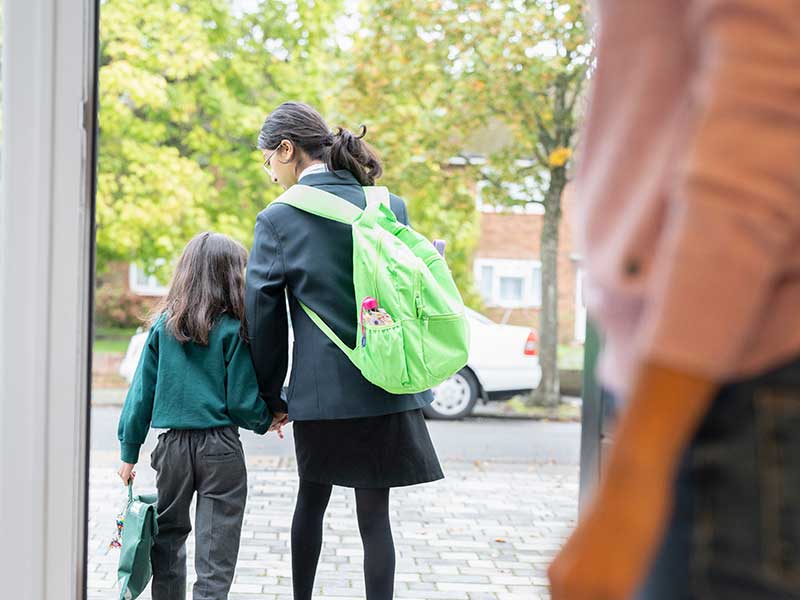
For children and young people, walking may work best when it’s playful. This could include looking for colours, counting trees, listening for birds, choosing the route, or walking to a favourite place.
The key is not to make walking another demand. The aim is to make movement feel more accessible.
Walking and ADHD
For people with ADHD, movement can sometimes help with restlessness, focus and emotional regulation. A short walk may help create a pause between tasks, reduce frustration, or make it easier to return to something that feels difficult.
Walking can also be useful as part of a routine. For example, a morning walk may help mark the start of the day. A short walk after work or school may help with the transition into home life. A walk during a break may offer a reset before starting the next task.
For some people, walking while talking can also feel easier than sitting face to face. This can be helpful during conversations, coaching, therapy or family discussions.
Walking and autism
For autistic people, walking can be helpful, but the environment matters.
A walk in a noisy, crowded or unpredictable place may increase overload rather than reduce it. A quieter, familiar walk may feel calming and regulating.
Sensory needs should be taken seriously. Ear defenders, sunglasses, comfortable clothing, planned routes, quiet parks, visual maps or walking at less busy times can all make walking more manageable.
It can also help to build in recovery time afterwards, especially if the walk involves social interaction, travel, appointments or unfamiliar places.
Walking and anxiety
Anxiety can make the body feel tense and the mind feel busy. Walking can provide a gentle way to use that anxious energy and create a change of scene.
Some people find it helpful to practise grounding while walking. This might mean noticing five things you can see, four things you can hear, three things you can feel, two things you can smell and one thing you appreciate.
Others may prefer not to focus too much on technique. Simply stepping outside, moving the body and breathing fresh air may be enough.
Small ideas for National Walking Month
You don’t need to aim for long walks or big targets. Small steps still count.
You could try:
- A 10-minute walk after lunch.
- Walking part of a regular journey.
- Choosing stairs where this is accessible.
- A quiet evening walk.
- Walking while listening to music or a podcast.
- A family walk with a simple scavenger hunt.
- A walking meeting or phone call.
- Parking slightly further away.
- Taking a short movement break between tasks.
If walking is not physically accessible, wheeling, gentle movement, seated movement or spending time outdoors may still offer some of the same benefits.
A final thought
National Walking Month is a helpful reminder that movement doesn’t have to be perfect, intense or time-consuming to be worthwhile.
For some people, walking may support fitness. For others, it may provide routine, headspace, sensory regulation, connection or a few quiet minutes in the day.
The most important thing is to start where you are. A few minutes is still a beginning. A short walk still counts. And small, regular steps can become part of a wider approach to looking after both body and mind.
Sources and further reading
- Living Streets: National Walking Month – campaign information for National Walking Month in the UK.
- NHS: Walking for health — explains that walking is simple, free and one of the easiest ways to become more active.
- NHS: Be active for your mental health – guidance on how movement, including walking outdoors, can support mood and reduce worry or anxiety.
- NHS: Physical activity guidelines for adults – guidance on aiming for 150 minutes of moderate-intensity activity each week.
- GOV.UK: UK Chief Medical Officers’ physical activity guidelines – national guidance on weekly physical activity recommendations.
- Ramblers: Go walking – information about free Ramblers Wellbeing Walks taking place across England. Find a walking group or a new walking route near you.







Leave A Comment