


Overview
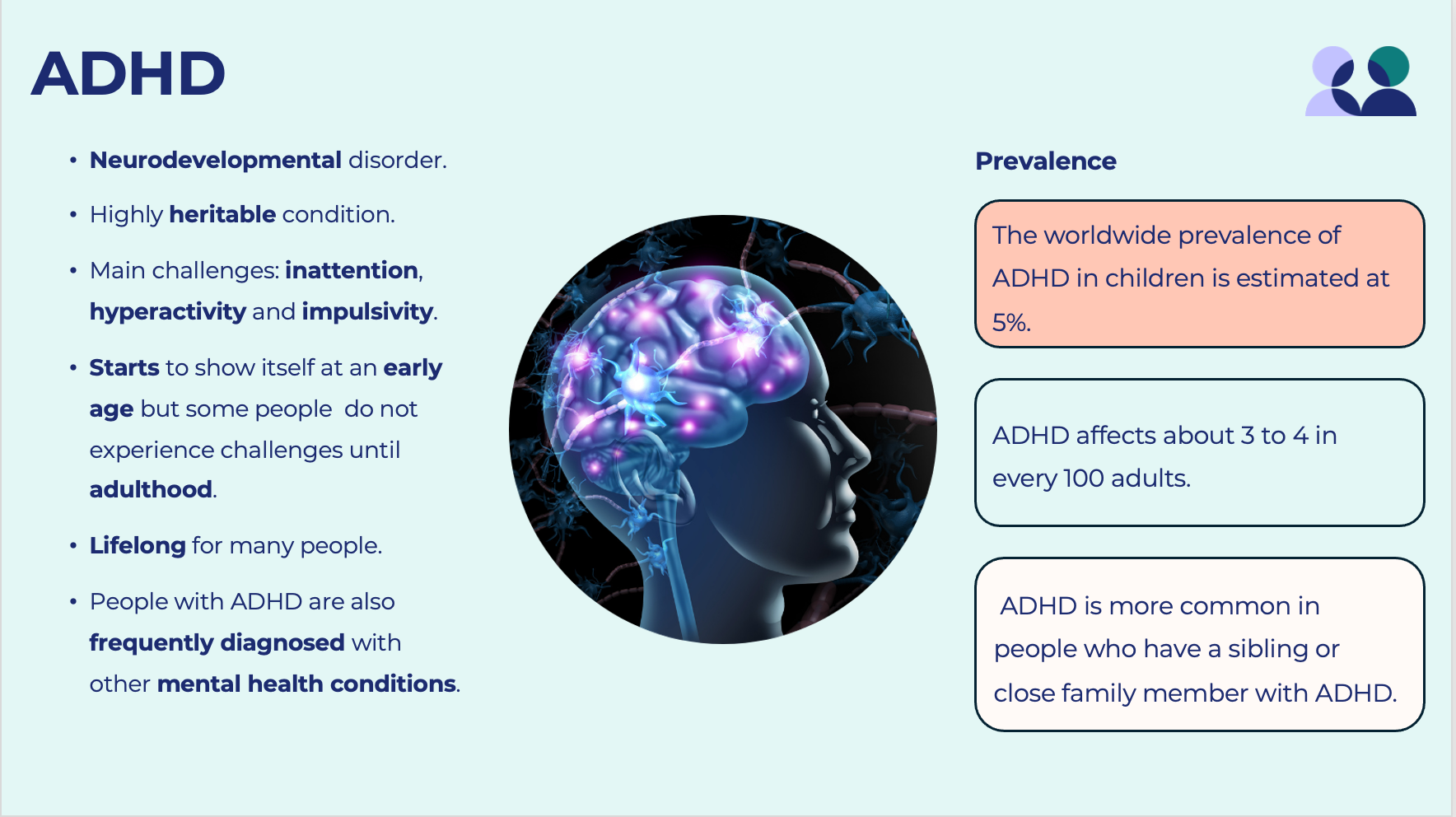
ADHD (Attention Deficit Hyperactivity Disorder) is a neurodevelopmental condition that is highly heritable. This means that if you receive an ADHD diagnosis, it’s common to find that other family members also have ADHD or another neurodivergence. ADHD affects at least 5% of children and 3–4% of adults, demonstrating that it is often a lifelong condition.
During the assessment process, clinicians will ask about early childhood experiences, looking for symptoms that began before the age of 12. This is important for meeting diagnostic criteria. However, some people do not experience challenges until adulthood.
The main symptoms of ADHD fall into three core domains:
- Inattention.
- Hyperactivity.
- Impulsivity.
The criteria for ADHD contain 9 symptoms of inattention, and 9 symptoms of hyperactivity and impulsivity. Individuals may present with a combination of these symptoms, meaning that there is no one way to experience ADHD. Everyone’s experience is unique.
ADHD also shares quite a few symptoms with other conditions or ‘comorbodities’, so careful assessment is required to rule these out.
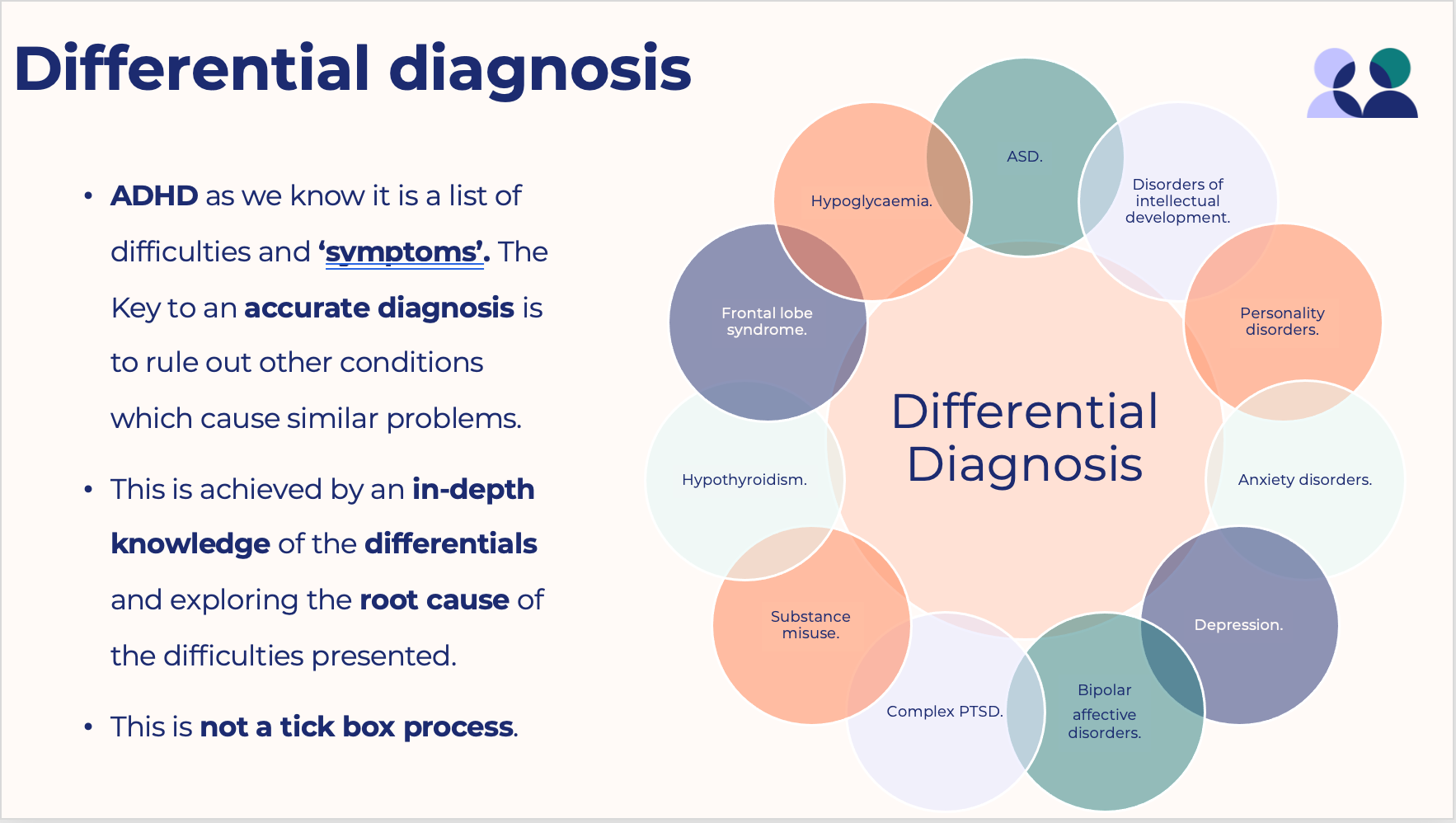
Differential Diagnosis
ADHD is defined by a pattern of difficulties and ‘symptoms’. Accurate diagnosis requires ruling out other conditions that can cause similar challenges.
This involves:
- A detailed understanding of differential diagnoses.
- Exploring the root cause of the difficulties presented.
Other conditions that may present with overlapping symptoms include:
- Autism.
- Personality disorders (e.g., emotionally unstable personality disorder).
- Depression and anxiety.
- Post-traumatic stress disorder.
- Substance misuse.
- Physical health conditions.
Assessment is not a tick-box exercise; it requires a holistic understanding of an individual’s experiences.
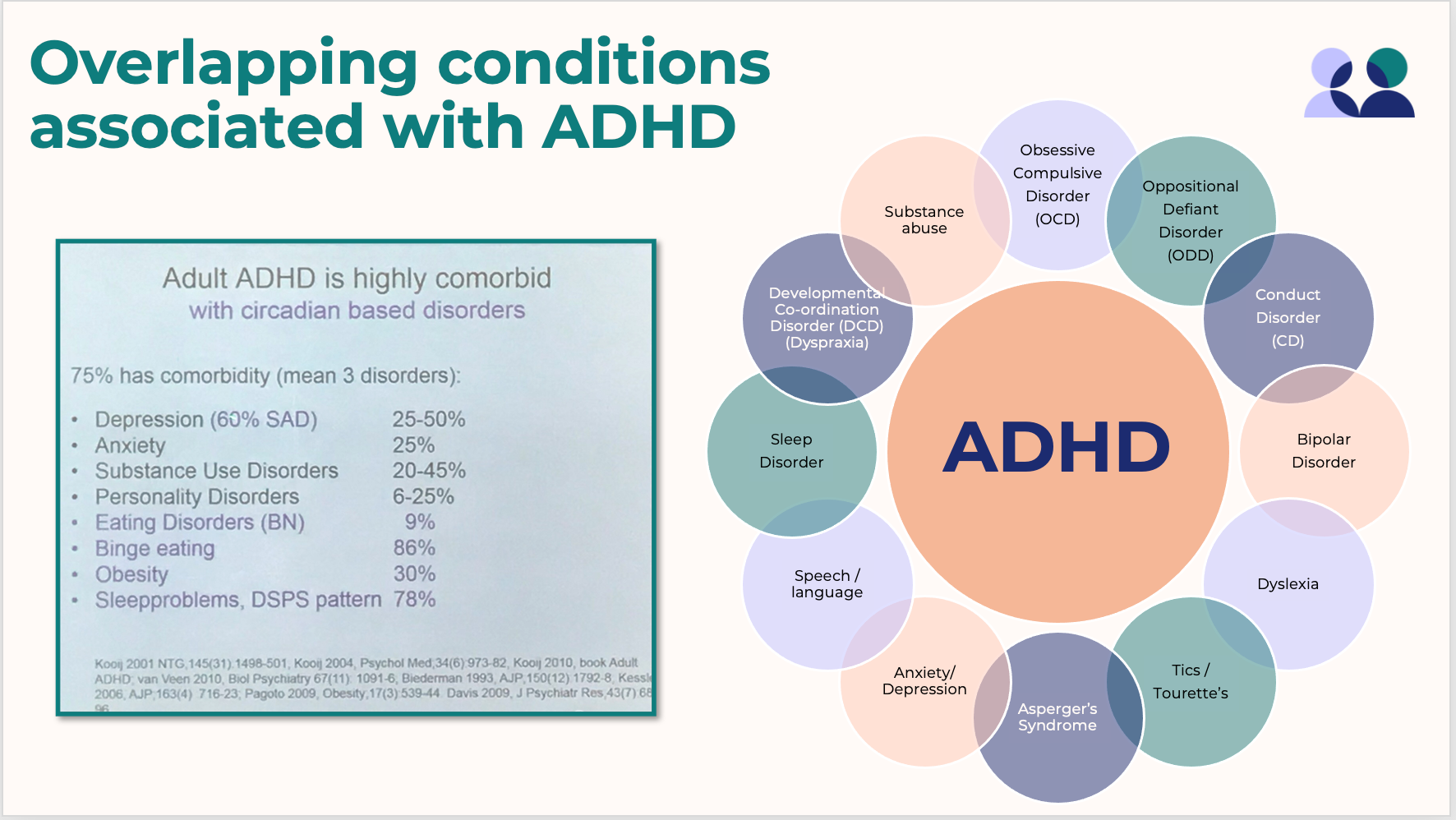
Overlapping Conditions Associated with ADHD
Many people with ADHD also suffer from other comorbidities.
Common comorbidities include:
- Anxiety and depression.
- Substance misuse.
- Binge eating disorder.
- Sleep difficulties.
Recognising these overlaps is important for accurate diagnosis and effective treatment.
Substance Use and ADHD
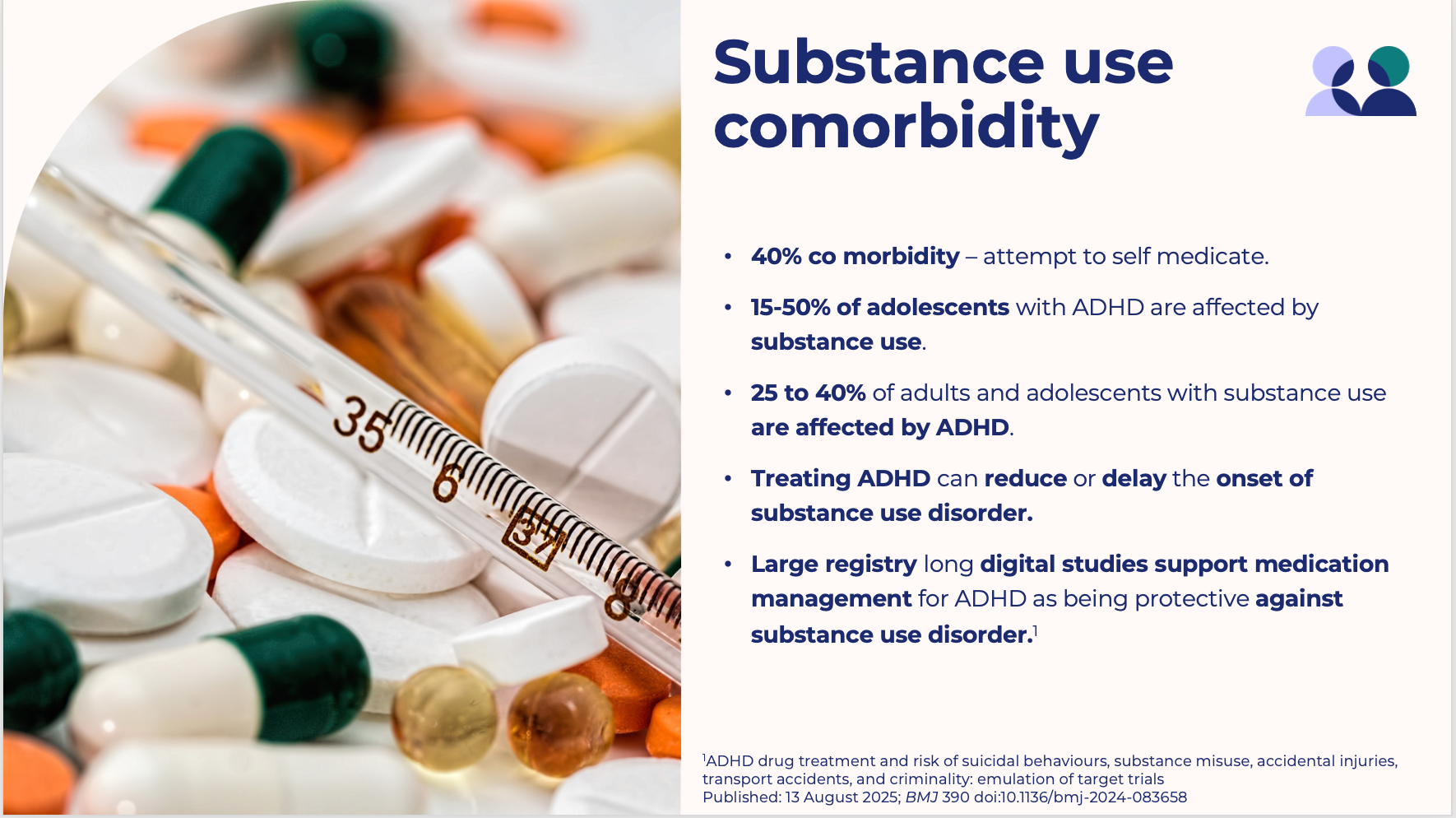
Substance misuse occurs more frequently in people with ADHD:
- Up to 40% of adults with ADHD experience substance misuse
- Up to 50% of adolescents with ADHD experience substance misuse
- Up to 40% of adolescents with substance misuse have ADHD
Some individuals may use substances as a form of self-medication to support their ADHD symptoms.
Evidence shows that treating ADHD can reduce or delay substance misuse, highlighting the importance of early and appropriate management.
Autism and ADHD (AuDHD)
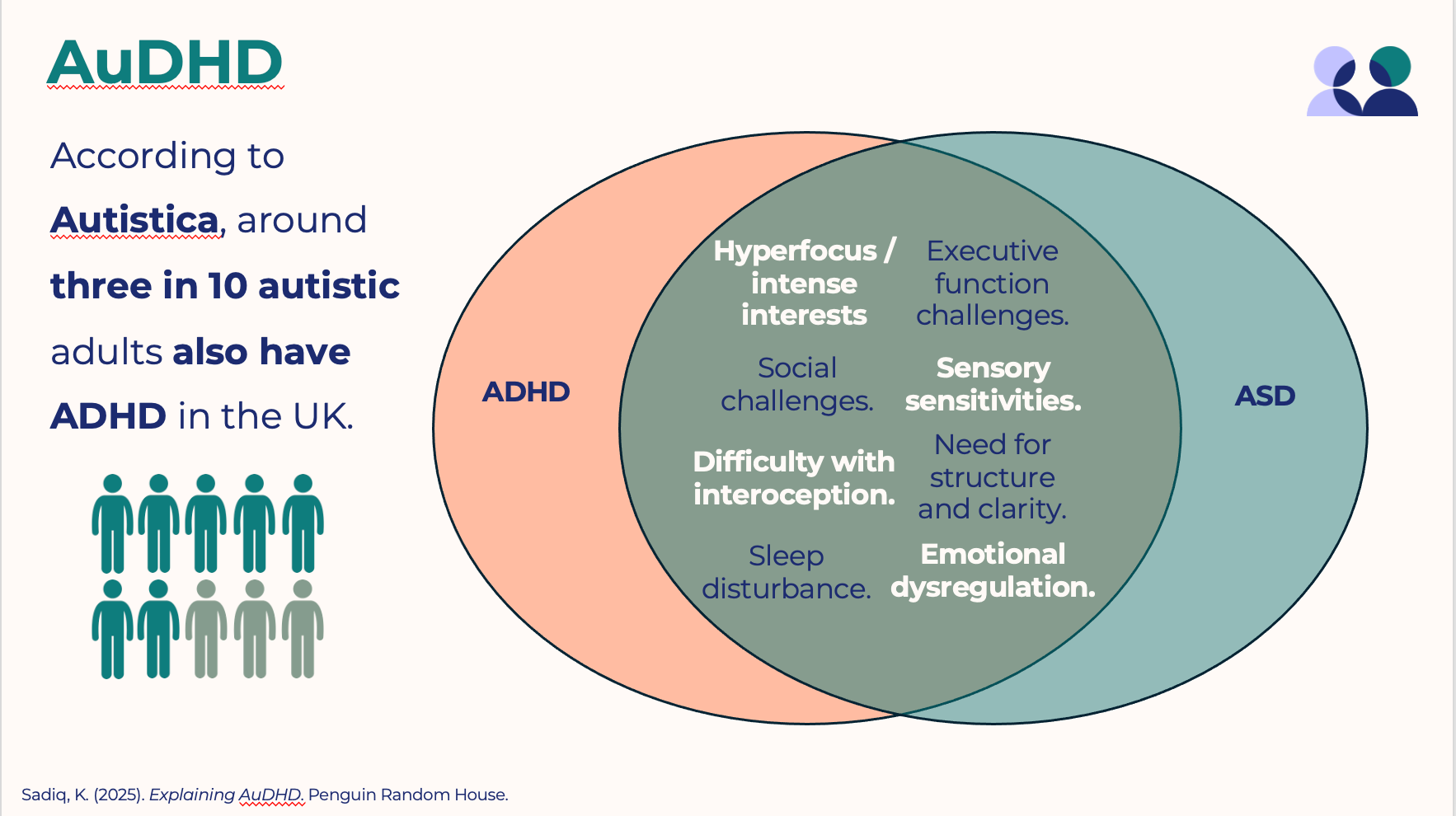
ADHD frequently co-occurs with autism. Research by the charity Autistica shows that approximately 3 in 10 autistic individuals also have ADHD. Shared or overlapping symptoms include:
- Attention and focus difficulties.
- Emotional dysregulation.
- Sensory sensitivities.
- Social and communication challenges.
- Sleep disturbances.
This underlines the importance of looking at the root cause of symptoms to be able to identify which symptoms relate to ADHD, autism, or both, to ensure an accurate diagnosis.
Treatment Considerations in AuDHD
- People with both conditions may respond differently to medication.
- Some may be more sensitive to treatment.
- Medication can reduce ADHD symptoms, but may make autistic traits more noticeable.
- Medication should be approached as a trial, with close monitoring for benefits and side effects.
Gender Variation in ADHD
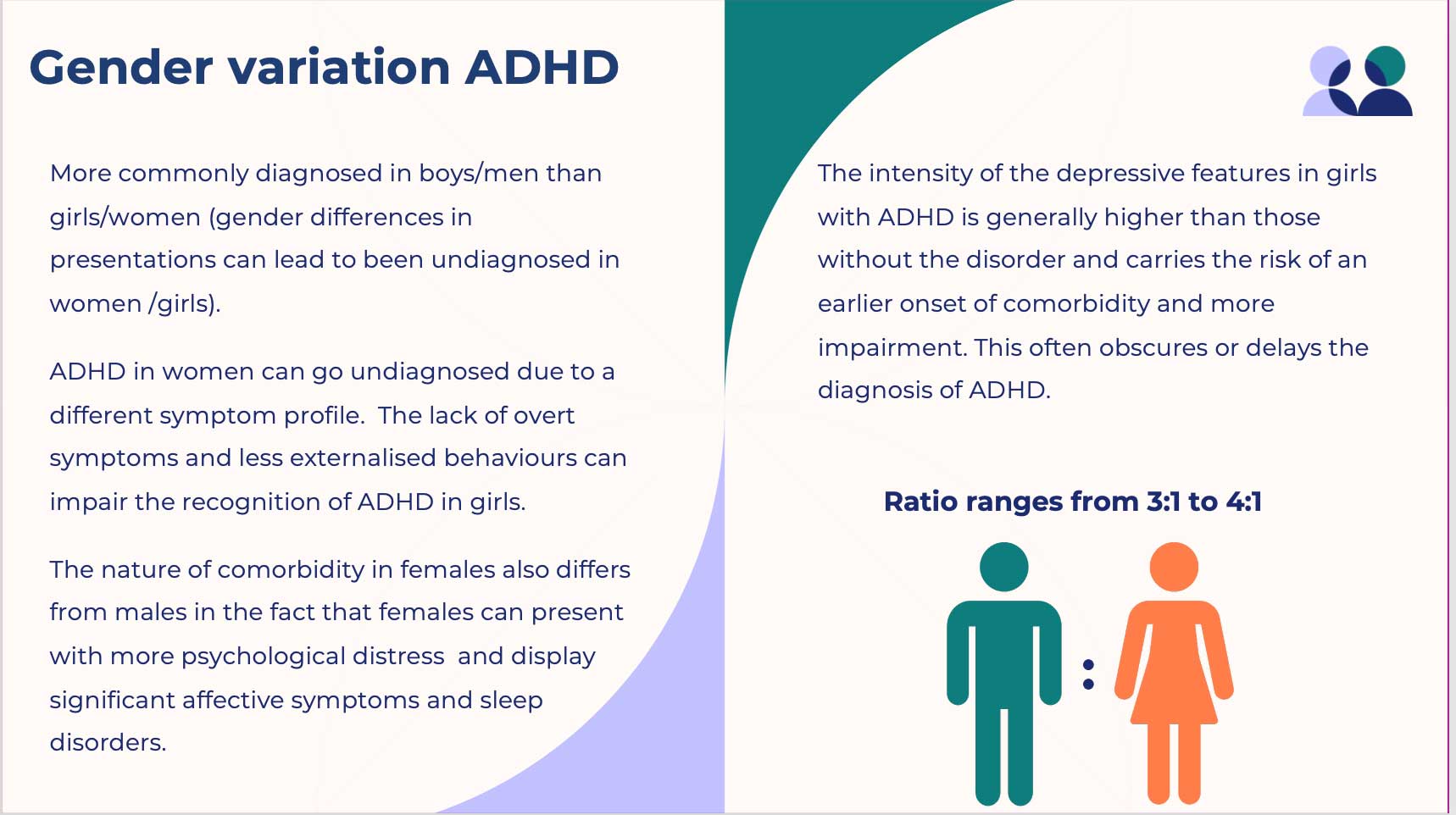
ADHD is diagnosed more frequently in boys and men, with ratios around 3:1 to 4:1. Women and girls are often underdiagnosed due to differences in presentation:
- Symptoms may be more internalised, so less visible externally.
- Less likely to show overt hyperactivity.
- May present with more psychological distress.
- May present with anxiety, depression, and sleep disorders.
Comorbid conditions in females can be more pronounced and contribute to delayed diagnosis. Recognising these differences is crucial for timely support.
ADHD and Menopause: Clinical Intersection
Many women develop coping strategies to help manage their difficulties in daily life.
However, ADHD symptoms may intensify during perimenopause and menopause. The decline in oestrogen levels can affect dopamine regulation, contributing to:
- Worsening attention and concentration.
- Increased emotional dysregulation.
- Reduced cognitive control.
Individuals experiencing new or worsening ADHD symptoms during this period should work closely with their GP for assessment and management.
Why Does Treatment Matter?
Treatment for ADHD is multimodal, not solely reliant on medication. Holistic management may include:
- Maintaining sleep hygiene.
- Balanced nutrition.
- Regular physical activity.
- Psychological interventions.
- Work or educational adjustments.
Risks of Untreated ADHD
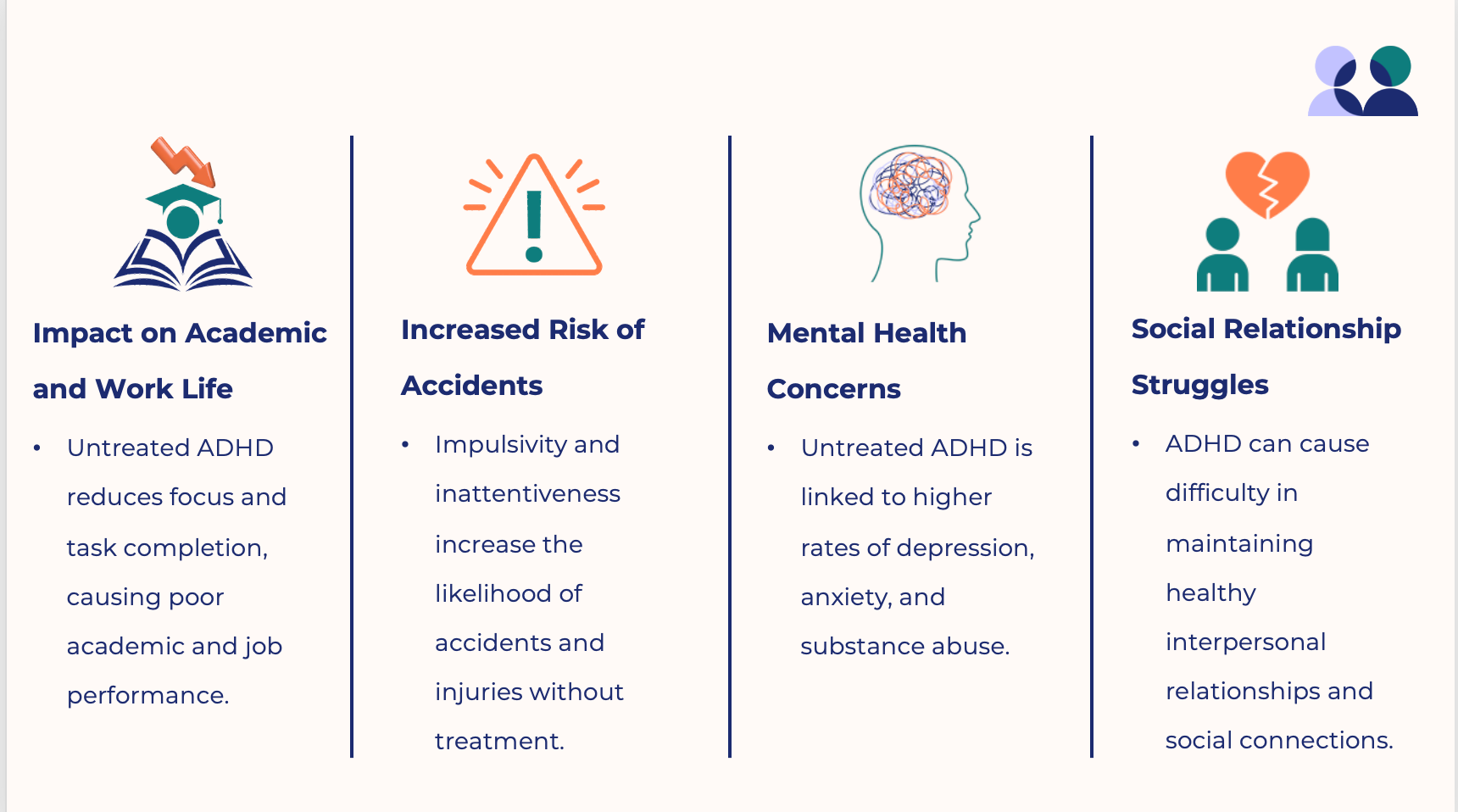
Untreated ADHD is associated with:
- Poor academic and job performance.
- Higher risk of accidents and injuries.
- Relationship difficulties.
- Increased rates of depression, anxiety, and substance misuse.
Treatment for ADHD
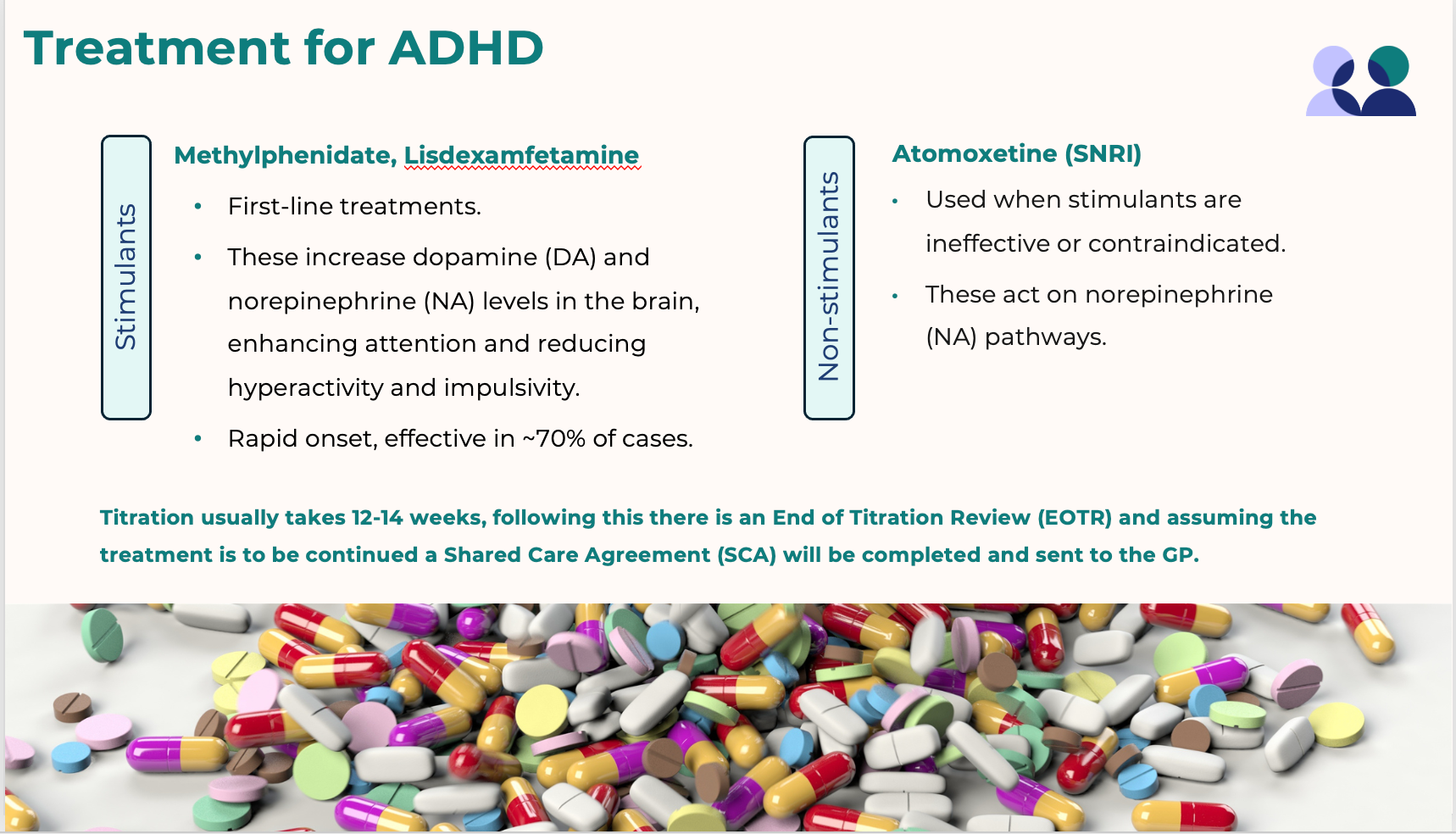
Stimulant Medication (First-Line)
Common stimulants:
- Methylphenidate
- Lisdexamfetamine
Mechanism: Increase the dopamine in your brain, which affects your reward sensor. This should help to improve attention, emotional regulation, and reduce hyperactivity/impulsivity.
Effectiveness: 70–80% of patients respond. 20–30% may not respond or tolerate treatment.
Non-Stimulant Medication (Second-Line)
Atomoxetine is the primary non-stimulant:
- Mechanism: Selective noradrenaline reuptake inhibitor (changes the amount of noradrenaline in your brain).
- Used when stimulants are not tolerated or ineffective.
ADHD Medication Titration
Titration is a gradual dose adjustment process, typically lasting 12–14 weeks:
- Medication is started at the lowest dose.
- Dose is increased weekly for 3–4 weeks.
- Monitoring forms are completed every 2 weeks (blood pressure, pulse, weight, side effects, benefits).
- End of Titration Review with prescriber.
- If effective, a Shared Care Agreement is arranged with the GP.
Psychiatry UK works collaboratively with other healthcare providers to ensure coordinated care.
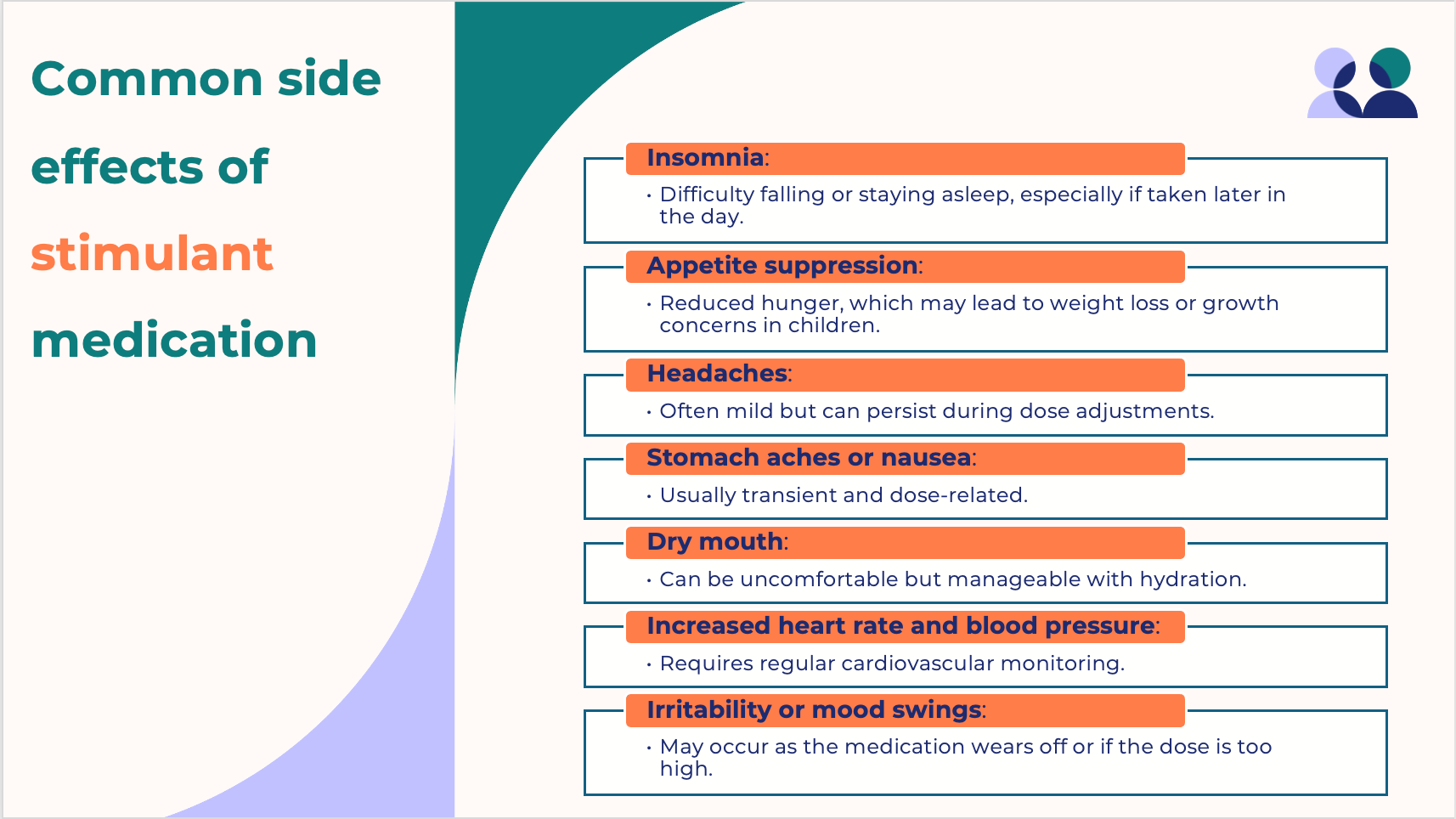
Common Side Effects of Stimulants
- Insomnia (take your treatment early in the day).
- Appetite suppression / weight loss (can be helpful to eat when the effects of medication are wearing off).
- Headaches (tend to be worse at the start of treatment. Can be supported by eating and drinking well).
- Gastrointestinal symptoms (stomach ache, nausea).
- Dry mouth (drink plenty of water).
- Increased heart rate and blood pressure (we monitor any changes during titration).
- Irritability and mood swings.
We monitor any side effects carefully and adjust your medication dose accordingly.
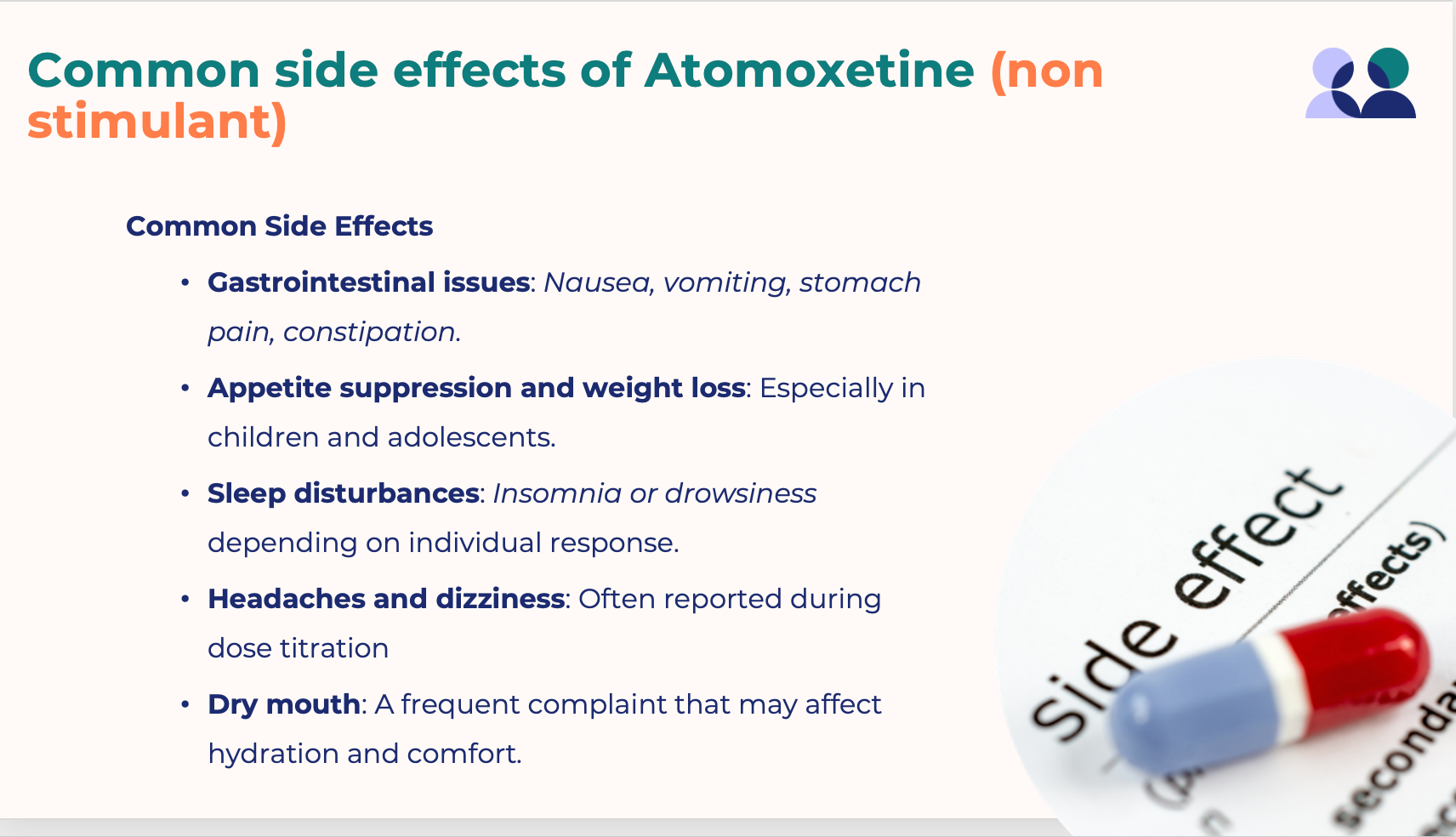
Common Side Effects of Atomoxetine
- Gastrointestinal issues (nausea, vomiting, stomach pain, constipation).
- Appetite changes (increase or decrease).
- Sleep disturbances (insomnia or sedation).
- Dry mouth.
- Headaches or dizziness.
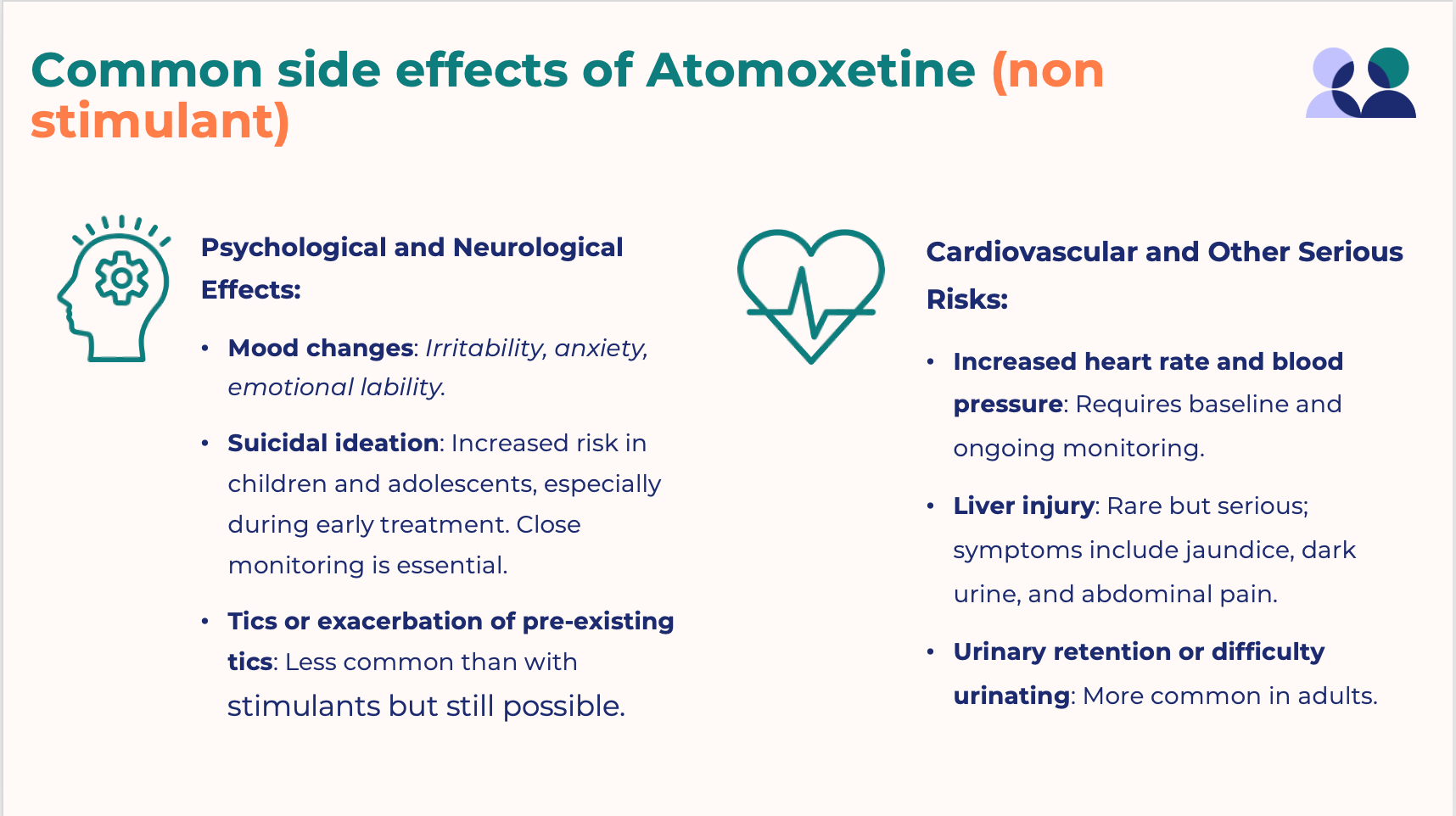
Psychological and Neurological Effects
- Mood changes (irritability, anxiety, emotional lability).
- Suicidal ideation (rare; close monitoring in children/adolescents).
- Tics or worsening pre-existing tics.
Cardiovascular and Other Risks
- Increased heart rate and blood pressure.
- Rare liver injury (jaundice, dark urine, abdominal pain).
- Urinary retention (more common in adults).
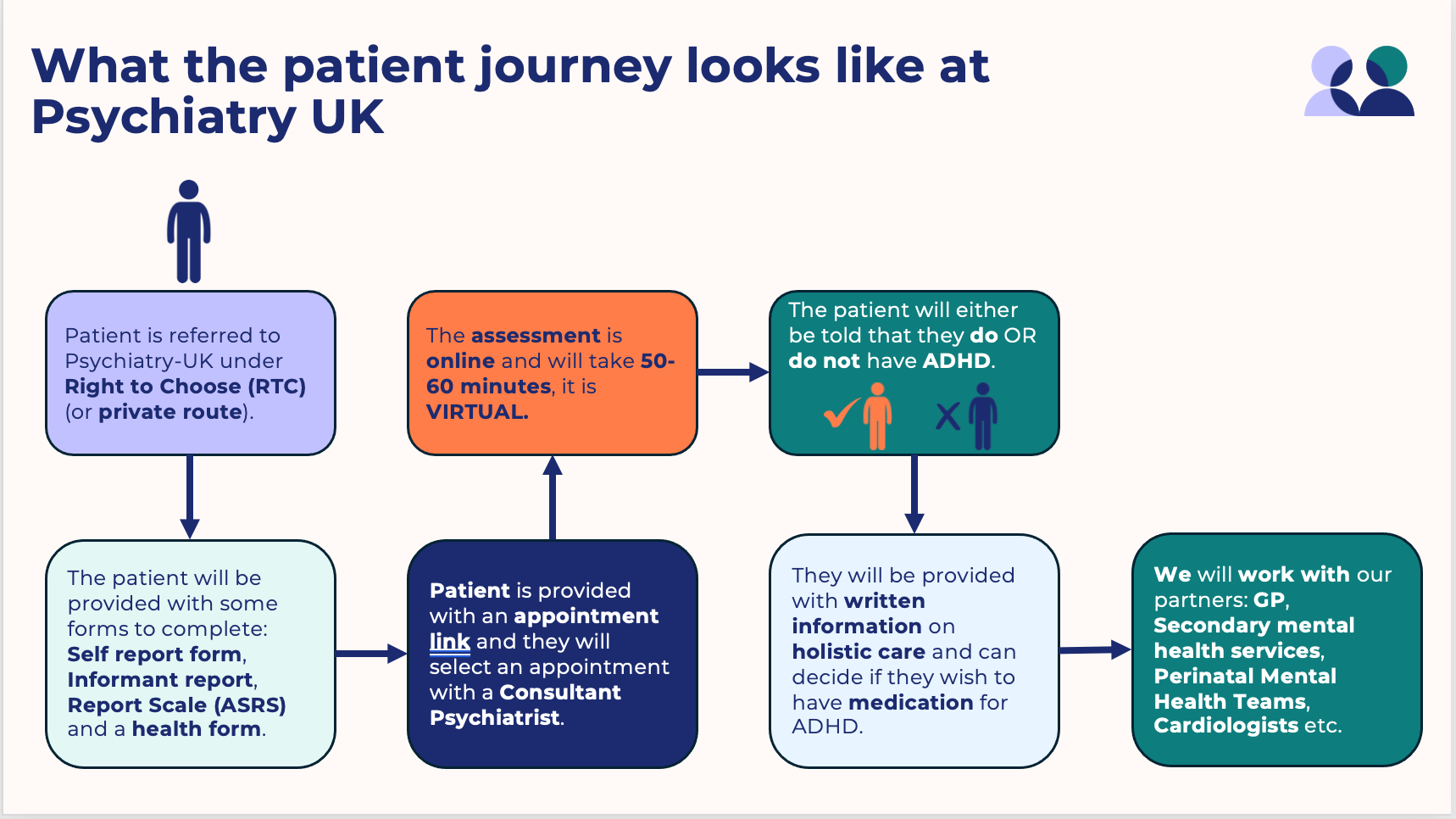
The Patient Journey at Psychiatry UK
Referral
Patients are referred via Right to Choose or may register for our private services. They are requested to complete 4 forms before becoming eligible to book their assessment appointment:
- Self-report form – to gather examples of difficulties experienced.
- Informant report – completed by a close family member or someone who has known the patient since before the age of 12.
- Rating scale (ASRS) –demonstrates areas where the patient may struggle.
- Health questionnaire – to check for any current heart problems or family history.
Completing these forms honestly and fully is crucial for the clinician to gather the information they need to reach an accurate diagnosis.
Once completed, patients receive a link to be able to choose from Psychiatry UK’s list of clinicians and book into one of their available slots.
Assessment
- Conducted virtually via Microsoft Teams.
- Duration: 50–60 minutes.
- Assessment incorporates self-report, informant report and clinical interview.
Diagnostic Outcome
Patients are informed whether they do or do not have ADHD at the end of their assessment. Those without a diagnosis may still receive support for ADHD-like traits.
Post-Diagnostic Care
Options include holistic management and/or medication referral.
Waiting times for treatment are published on the Psychiatry UK website and updated regularly.
Clinicians also send patients some helpful support resources, and a list of organisations who may be able to offer ongoing support.
ADHD Medication Titration at Psychiatry UK
The titration process at Psychiatry UK usually takes 12-14 weeks. Below is a brief summary of the process:
- Patient completes pre-titration forms, including baseline monitoring information (blood pressure, pulse, weight).
- Medication started at lowest dose.
- Dose increased weekly over 3–4 weeks.
- Bi-weekly monitoring of vitals and side effects to ensure safe prescribing and check any improvements.
- End of Titration Review (video call) with prescriber.
- Shared Care Agreement arranged with GP if medication continues.
Coordination with other healthcare providers is encouraged for comprehensive care. It’s important to inform us of any other mental health services and specialists you are under, so that we can keep them updated.
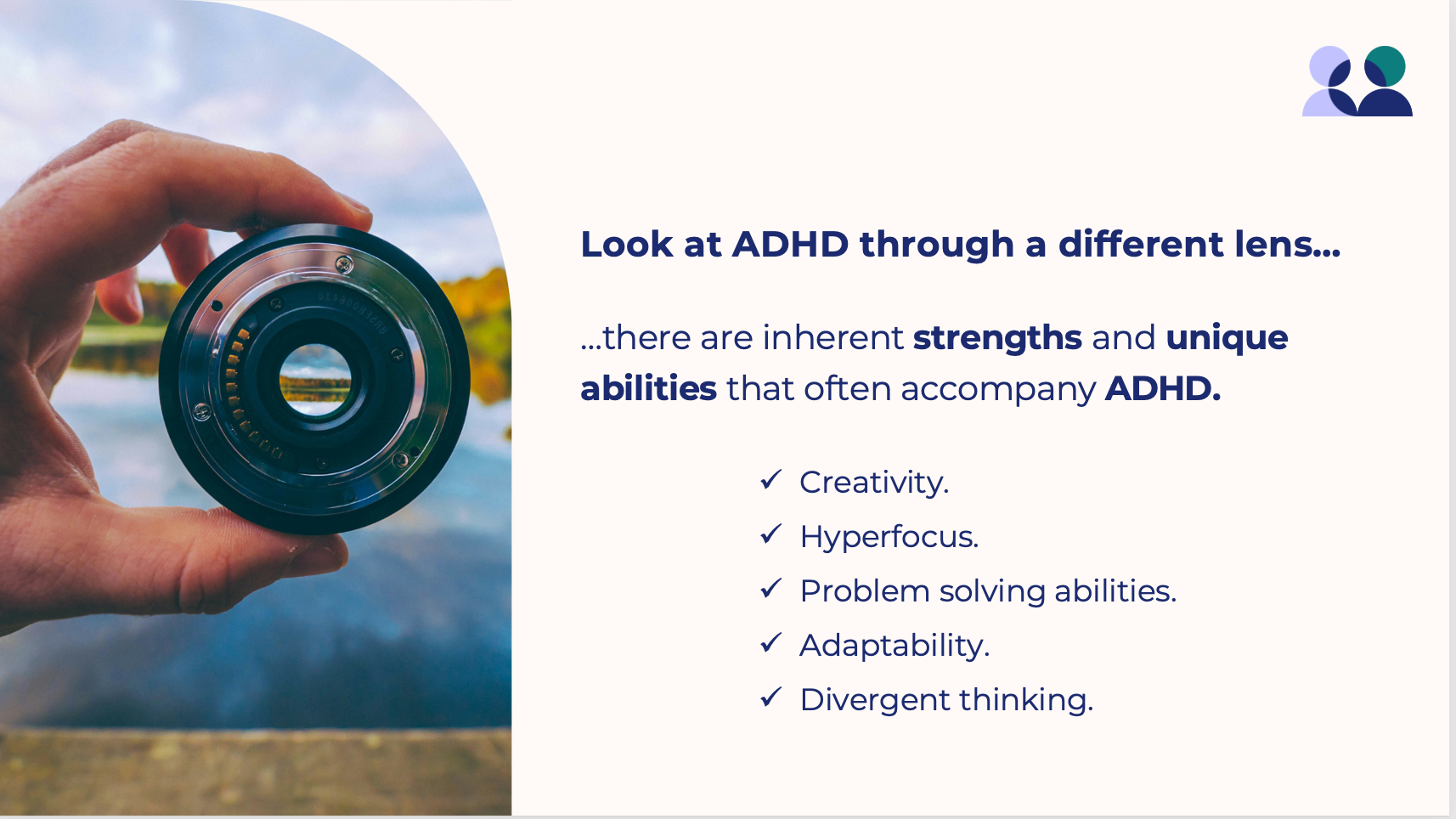
Looking at ADHD Through a Different Lens
Many of the questions we ask during the assessment process focus on difficulties, but there are also many strengths that come with ADHD, such as:
- Creativity
- Problem-solving abilities.
- Adaptability.
- Hyperfocus can be a huge strength.
- Thinking ‘outside the box’.
- Reactive in a crisis.
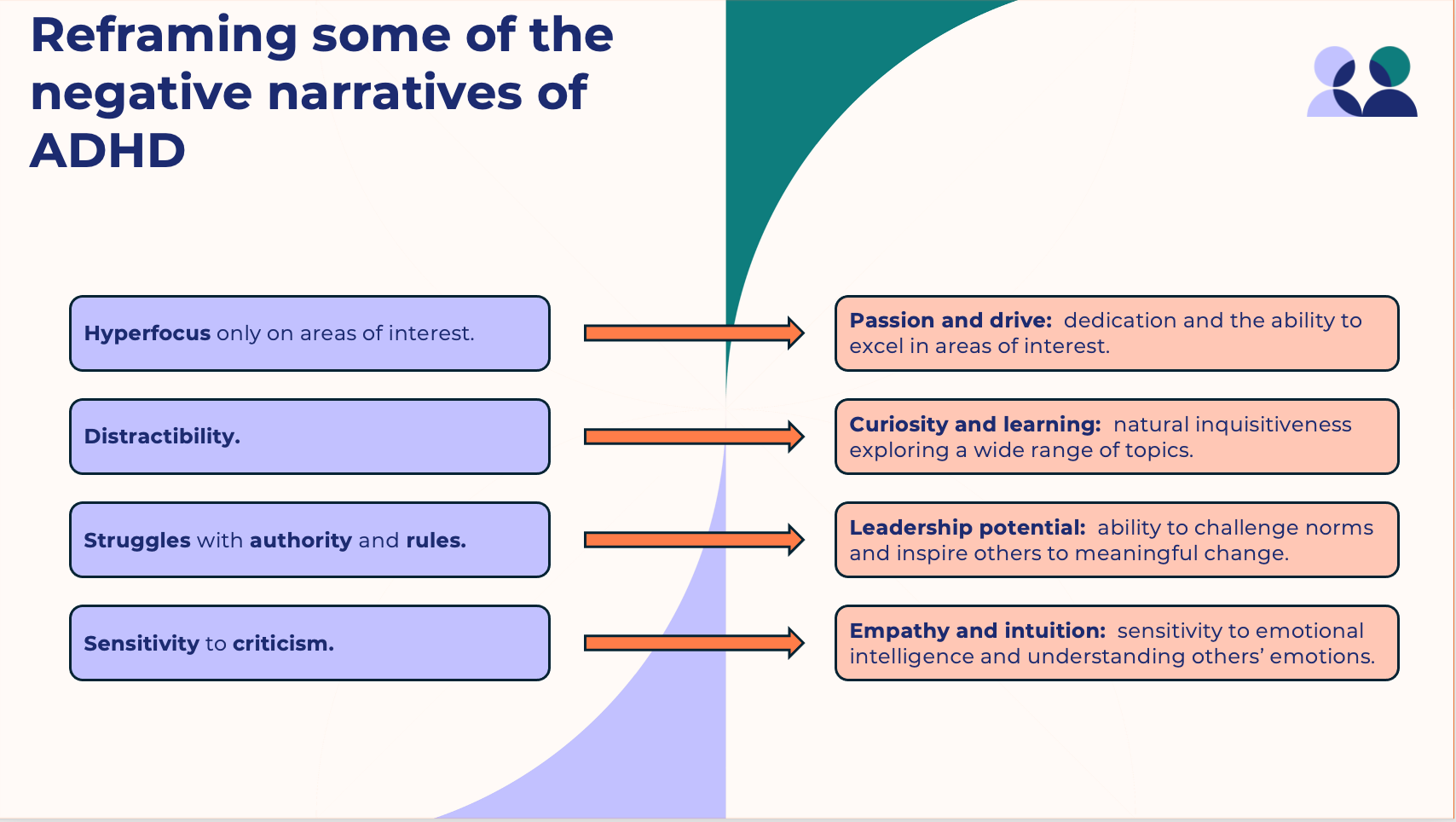
Reframing Negative Narratives
Trait Alternative Perspective
Hyperfocus: Passion, drive, dedication.
Distractibility: Curiosity, exploration, learning.
Struggles with authority: Leadership potential, inspiring change.
Sensitivity to criticism: Empathy, emotional intelligence.
ADHD should be understood rather than judged.
Some days may feel difficult, but these will be mixed with good days where you feel really positive, as long as you receive the right support from those around you.
Final Reflections
ADHD involves both challenges and inherent strengths. With understanding, support, and appropriate management, individuals with ADHD can thrive personally, socially, and professionally.









Leave A Comment