

How to work out what you really need
Self-care is often presented as something soft and soothing: a bath, a candle, a quiet evening or a cup of tea.
Sometimes that’s exactly what you need. At other times, self-care might mean eating something, paying a bill, taking your medication, cancelling a plan or asking for help.
The most useful self-care is not always the most appealing option. It’s the thing that meets the need you have right now.
Hot weather can make it harder to sleep, concentrate, regulate emotions or keep up with usual routines. It may also change what helpful self-care looks like. On some days, looking after yourself might mean drinking more water, finding a cooler space or reducing demands until your energy returns.
Before reaching automatically for the usual self-care advice, pause and ask: what would actually help me today?
Start with a quick check-in
When you feel tired, overwhelmed or out of sorts, it can be difficult to work out what’s wrong. A short check-in can help you identify what your mind or body may be asking for.
Do I need rest?
Rest is not only sleep. You may need fewer demands, less noise, a cooler room, a break from conversation or some time without having to make decisions.
If you’re exhausted, self-care may mean going to bed earlier. It could also mean sitting somewhere quiet for ten minutes, postponing a non-urgent task or choosing the easiest possible dinner.
Rest is not a reward for finishing everything. It’s a basic need.
Do I need fuel?
Hunger, dehydration and missed medication can affect your mood, concentration and energy. They can also make everything else feel harder.
Ask yourself:
- Have I eaten recently?
- Have I had enough water?
- Have I taken my usual medication?
- Would something simple be better than waiting until I have the energy to prepare a full meal?
During hot weather, you may need to drink more often than usual. Keeping a bottle nearby, setting reminders or choosing cold foods that are easier to manage can help.
Do I need movement?
Movement can support mood, focus and sleep, but it does not have to mean a full workout.
A short walk, stretching while the kettle boils or moving to a favourite song can be enough to shift how you feel.
When it’s very warm, choose a cooler time of day, reduce the intensity or move indoors. Helpful movement should leave you feeling better, not more depleted.
Do I need structure?
When your thoughts feel scattered, self-care may look like adding a little structure.
You might:
- Write down the next three things you need to do.
- Set one reminder.
- Put an important item somewhere visible.
- Break a task into its smallest first step.
- Simplify the day because heat or poor sleep has reduced your energy.
The aim is not to organise your whole life. It’s to make the next hour feel more manageable.
Do I need comfort?
Comfort can be physical, emotional or sensory.
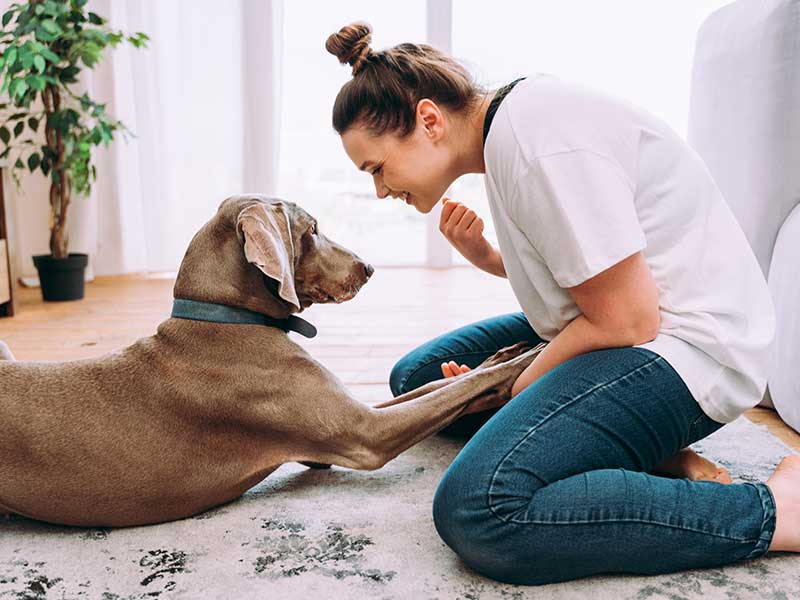
You might need familiar food, comfortable clothing, a favourite programme or time with a pet. In hot weather, comfort may mean a fan, lighter clothing, lower lighting or moving to a quieter, cooler room.
Comfort is not trivial. Feeling safe and settled can make it easier to recover from stress and return to what matters.
Do I need connection?
Sometimes we withdraw because we’re tired or overwhelmed. At other times, another person may be exactly what we need.
Connection might mean sending a message, asking someone to sit with you, speaking honestly about how you feel or accepting practical help.
It does not have to involve a long or serious conversation. A voice note, a shared joke or sitting quietly with someone can still help you feel less alone.
Do I need to take action?
Some problems continue to take up mental space because they need a practical response.
Self-care may mean:
- Making the appointment.
- Replying to the email.
- Paying the bill.
- Putting the laundry in the machine.
- Asking a question you‘ve been avoiding.
- Saying no to something you do not have capacity for
This is not about pushing through when you need rest. It’s about recognising when one small action may reduce a much larger amount of worry.
Soothing and purposeful self-care both matter
It can help to think about self-care in two broad ways.
Soothing self-care helps you feel calmer, safer or more comfortable. This might include resting, listening to music, taking a shower, spending time outdoors or returning to a familiar activity.
Purposeful self-care supports your future wellbeing. It may include preparing food, attending an appointment, setting a boundary, tidying one small space or dealing with something you’ve been putting off.
Neither type is better. The question is which one you need.
If you always choose purposeful self-care, life may begin to feel like one long list of responsibilities. If you only choose soothing self-care, the problems waiting in the background may continue to grow.
Often, the most helpful approach is a little of both: drink some water, sit somewhere cool and then send the email.
Build from the basics
Self-care advice can become overwhelming when it turns into another list of things you ‘should’ be doing.
You don’t need a perfect routine. Start with the foundations that can have the biggest effect on how you feel:
- Sleep and rest.
- Regular food and enough water.
- Movement that suits your body.
- Some structure to your day.
- Connection with other people.
- Something that gives you purpose or enjoyment.
Not every area will be going well at the same time. Choose one small change that feels realistic.
Make self-care easier to follow
The best self-care plan is one you can use when your energy and concentration are low.
Try to remove unnecessary steps. Keep water where you spend most of your time. Store easy food where you can see it. Put medication beside something you use every morning. Save important numbers in your phone.
You could also write down the things that usually help, so you don’t have to remember them when you’re overwhelmed.
A personal check-in might be as simple as:
- Do I need rest?
- Do I need food or water?
- Do I need comfort?
- Do I need connection?
- Do I need to take one small action?
Self-care should support you, not become another job.
What do you need today?
There will be days when self-care looks like fresh air, movement and getting things done. On other days, it may mean lowering expectations, finding somewhere cool and making it through with the least possible effort.
Both count.
You don’t have to follow someone else’s version of self-care. Start with what’s happening in your body, your mind and your day. Then choose one small thing that might make the next part feel easier.









Leave A Comment