

An overview of our patient webinar, ‘Living Well with ADHD’, held on 27 May 2026.
Living with ADHD can sometimes feel like a lot to manage, and waiting for an assessment or treatment can make it even harder.
The good news is that there are lots of practical things that can help, whether or not you choose to take medication.
In our recent patient webinar, Dr Mihaela Bucur, Consultant Psychiatrist and Director of Education and Training, explored how lifestyle can support ADHD. Beverley Nolker, Neurodiversity Education and Engagement Manager and ADHD Coach, shared practical tools for everyday life. Dr Yasmine Weeks, Specialist GP in ADHD and Physical Health, showed us a simple breathing technique that can help with stress.
This article brings together the key information, advice and practical suggestions shared during the session.
Key takeaways
- Support goes beyond medication. Medication has the strongest evidence, but a healthy lifestyle, coping strategies, coaching, therapy and adjustments can all help too.
- Six lifestyle pillars can make a real difference. These are physical activity, nutrition, sleep, stress management, social connections and avoiding risky substances.
- Start small. Choosing a first step you feel confident about can build your motivation for making further changes.
- Simple tools can make life more manageable. Visual task boards, timers and focusing on what you can control can all help.
- A short pause can go a long way. A 60-second breathing break costs nothing and can be built into your day.
What is ADHD?
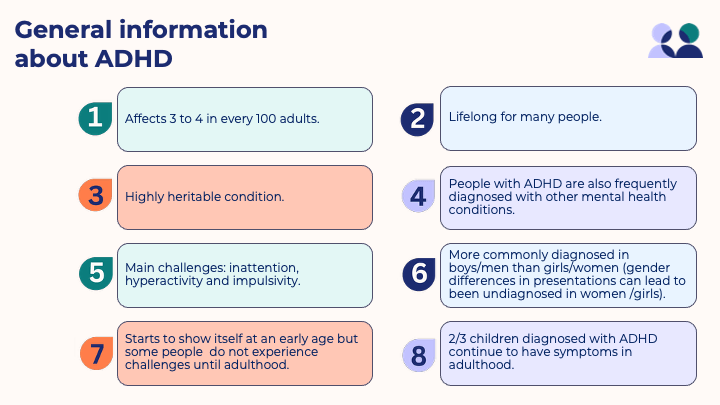
ADHD is a neurodevelopmental condition, which means there are differences in the way a person’s brain develops and works.
Dr Bucur shared some key facts:
- ADHD affects 3 to 4 in every 100 adults.
- It is highly heritable, which means it runs in families.
- It is lifelong for many people, and two out of three children diagnosed with ADHD continue to have symptoms in adulthood.
- The main challenges are inattention, hyperactivity and impulsivity.
- It is more commonly diagnosed in boys and men, although this gap is decreasing. Differences in how ADHD presents can mean that women and girls go undiagnosed or are diagnosed later.
ADHD often overlaps with other conditions. These can include anxiety, depression, personality disorders and autism, which you may see described as ASD in assessment reports. They can also include physical health difficulties such as sleep disorders, disordered eating, autoimmune conditions and hypermobility.
What does good support look like?
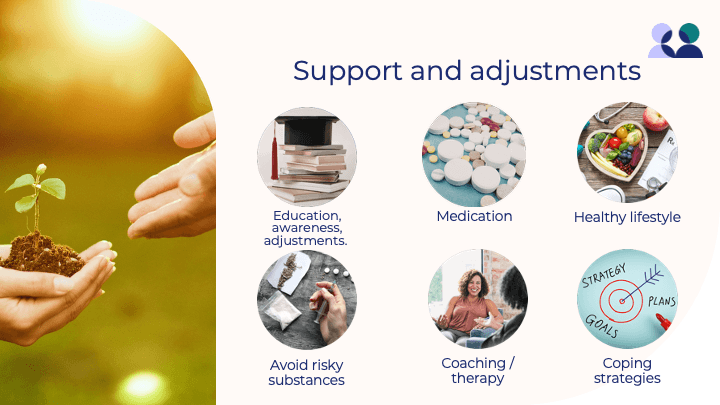
Good support starts with understanding ADHD and recognising your own challenges and strengths.
Dr Bucur explained that medication remains the most evidence-based treatment for ADHD. It can reduce hyperactivity and impulsivity, and improve focus and concentration.
Other things can also help, including:
- A healthy lifestyle.
- Coping strategies for different situations.
- Coaching and therapy, particularly as living with symptoms for a long time can affect confidence and self-esteem.
- Adjustments at work, in education or at home.
- Avoiding risky substances.
Adjustments at work and in education
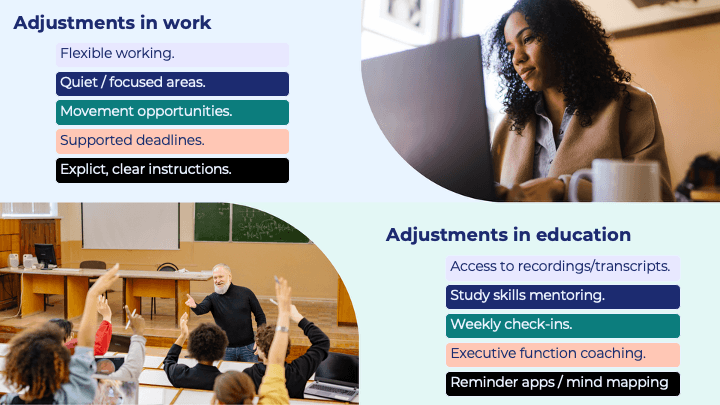
ADHD can affect concentration, organisation, memory, time management and emotional regulation. Adjustments can remove unnecessary barriers and make day-to-day tasks easier.
Under the Equality Act 2010, ADHD may be recognised as a disability when there is a significant and long-term impact on daily functioning. Employers, schools and universities have a legal responsibility to consider reasonable adjustments.
Adjustments should be based on your role and your individual challenges and strengths. Examples include:
- At work: Flexible working, quiet areas to focus, opportunities to move during the day, support with deadlines and clear instructions.
- In education: Access to recordings or transcripts, study skills mentoring, weekly check-ins, executive function coaching and reminder apps.
Six lifestyle pillars for living well with ADHD
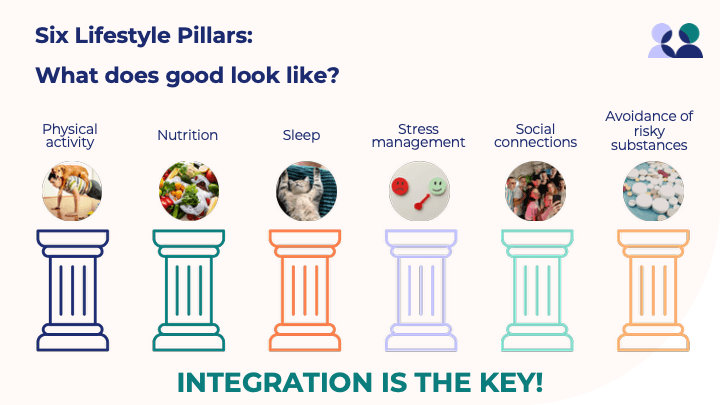
Managing ADHD often works best through an integrated approach. Lifestyle changes don’t replace evidence-based treatments, but they can complement them.
Physical activity
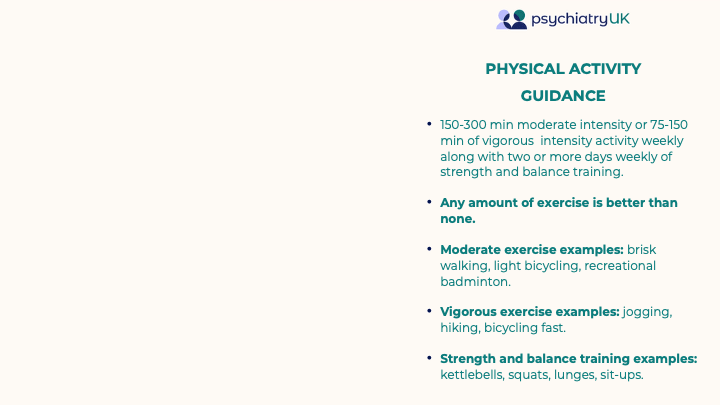
Dr Bucur explained that physical activity is linked to better attention and improvements in some ADHD symptoms. These benefits may be even greater for people with ADHD than for the general population.
It can also improve sleep and mood, relieve stress, increase energy and support your heart health. It plays a role in treating depression and anxiety too.
The general recommendation is at least 150 minutes of moderate activity, such as a brisk walk, or 75 minutes of vigorous activity, such as jogging, each week.
However, everyone starts from a different place, and advice should be personalised to you. Any amount of exercise is better than none, so do more of whatever type of movement brings you joy.
Nutrition
Certain nutrients are needed to produce chemical messengers in the brain, such as dopamine, so nutritional deficiencies can amplify ADHD symptoms.
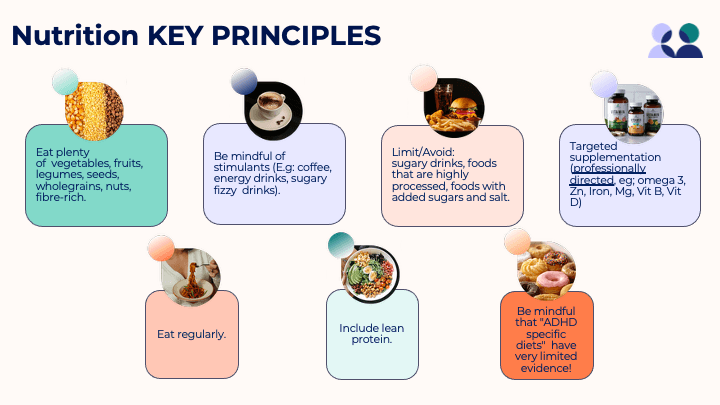
The focus should be on building balanced eating habits rather than following restrictive diets:
- Eat regularly to maintain your energy levels.
- Eat plenty of vegetables, fruit, legumes, seeds, whole grains and nuts.
- Include lean protein.
- Be mindful of coffee, energy drinks and sugary fizzy drinks, which can increase anxiety and affect sleep.
- Limit or avoid highly processed foods where possible.
Supplements such as omega-3, zinc, iron, magnesium and vitamins B and D are of value when there is a deficiency. They should be guided by a nutritionist, dietitian or doctor.
Dr Bucur also advised caution with ADHD-specific diets, such as elimination diets or avoiding sugar altogether. The evidence for them is very limited, and they can lead to nutritional deficiencies. If you are considering one, please do so with the help of a nutritionist.
Sleep
Sleep difficulties are very common in ADHD. Poor sleep can affect judgement and concentration, and increase the risk of anxiety and depression.
Common sleep disruptors include blue light from screens, too much food close to bedtime, caffeine, alcohol, stress, a room that is too hot or too cold, and not getting enough daylight.
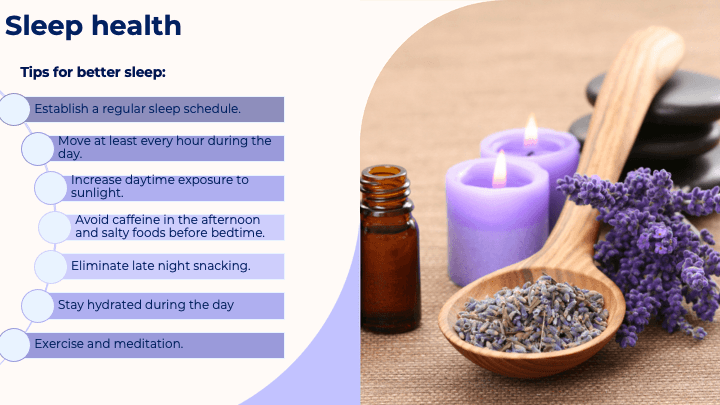
For most people, good sleep habits are key. It may help to:
- Keep a regular routine, particularly the time you wake up.
- Move at least every hour during the day, if you can.
- Get more daylight.
- Avoid caffeine in the afternoon and salty foods before bed.
- Stay hydrated during the day.
- Try exercise or meditation.
Stress
Short-term stress is a normal part of life. But when stress lasts for weeks or months, it can affect both your mental and physical health. People with ADHD can be more vulnerable to overwhelm and emotional dysregulation.
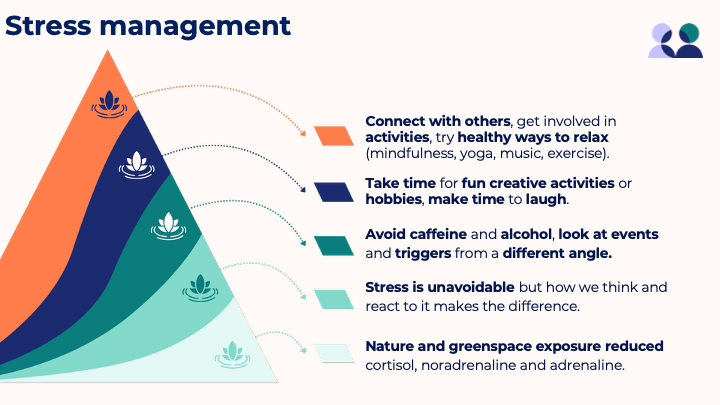
Helpful strategies include:
- Connecting with others.
- Staying involved in activities you enjoy.
- Finding healthy ways to relax.
- Making time for fun and creativity.
- Avoiding caffeine and alcohol.
- Spending time in nature and green spaces.
As Dr Bucur said, stress is unavoidable, but how we think about it and react to it makes all the difference.
Social connections
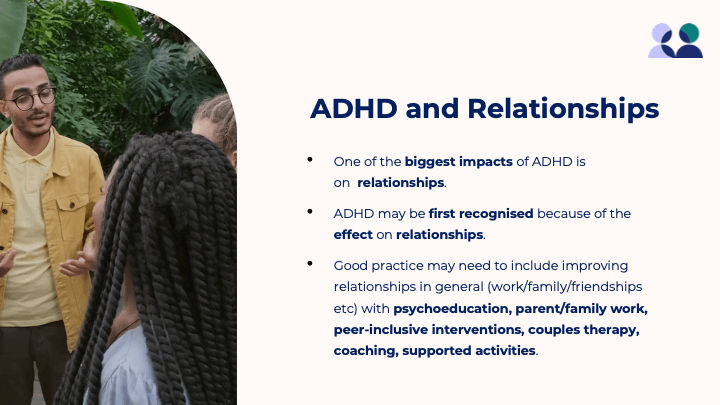
Strong social connections are important for our physical, mental and emotional health. Dr Bucur shared research showing that chronic loneliness can be as bad for you as smoking 15 cigarettes a day.
One of the biggest impacts of ADHD can be on relationships. Difficulties with attention, communication, emotions, impulsivity and forgetfulness can sometimes lead to misunderstandings, frustration or conflict.
Loneliness is very common, but support is available. This can include learning more about ADHD, family work, ADHD support groups, connecting with your wider community, coaching or couples therapy.
Avoiding risky substances
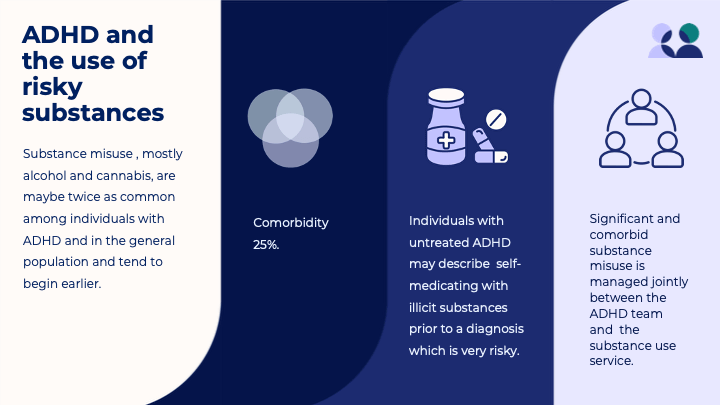
Around 25% of people with ADHD will have some form of substance misuse disorder, such as with alcohol or illicit drugs.
If this is a difficulty for you, it is really important to access specialist support in a safe setting. Your GP can advise you on how to access this.
How to get started: choose a step you feel confident about
Making lifestyle changes can be challenging for anyone, particularly with ADHD.
Dr Bucur explained that two of the most important factors are confidence and a sense of mastery. So it can help to choose an area where you feel most confident, such as going to bed half an hour earlier or cutting out one energy drink.
She shared the example of a patient who planned to walk for 20 minutes three times a week. When she thought about delays at work, rainy days and family plans, she realised she wasn’t confident she could stick to it.
Instead, she chose to take the stairs at work rather than the lift, which she felt almost 100% confident she could do. Achieving this gave her a sense of mastery, which helped her to make other positive changes.
Practical tools for everyday life
Beverley reminded us that with ADHD, life can become shaped by the pressure to get everything right. Choosing growth over perfection creates space for self-compassion and progress. Setbacks, forgotten tasks and unfinished projects are not personal failures. They are part of being human.
To accompany the webinar, we created a Living Well with ADHD workbook to help you build self-understanding and find strategies that work with your ADHD brain, rather than against it.
Find your stress window
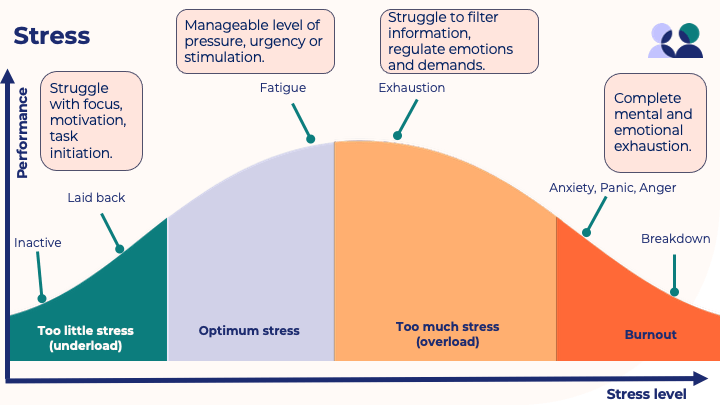
Stress isn’t always negative. Too little stimulation can make it hard to focus or get started, while a manageable amount of pressure can really help. This is why some people with ADHD say they work better under pressure.
If stress keeps rising without recovery or support, it can lead to overload and eventually burnout. The goal is not to remove all stress, but to understand your own stress window and recognise when you are moving beyond it.
Make your tasks visible with a Kanban board
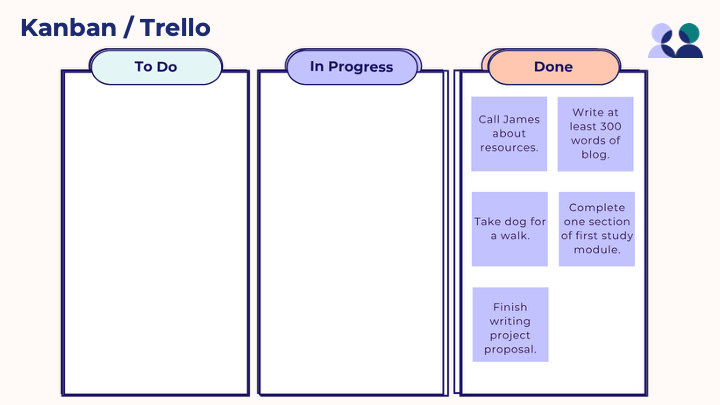
A Kanban board, or a Trello board, is a simple visual way of sorting tasks into columns such as To Do, In Progress and Done.
It can reduce mental overload, as you don’t need to hold everything in your working memory. Moving a task to the Done column also gives you a small reward linked to dopamine, which supports motivation.
Work in short bursts with the Pomodoro Technique
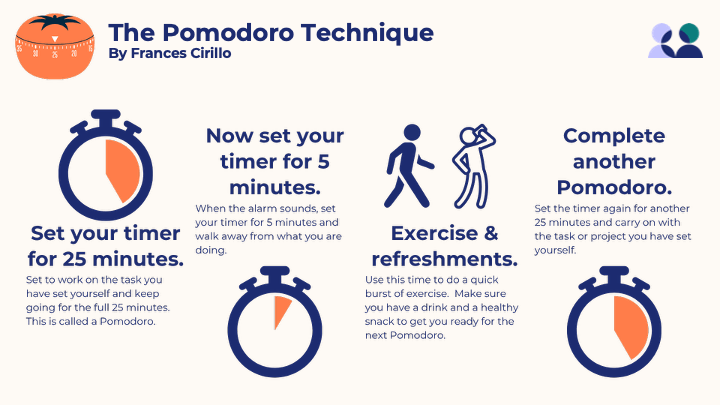
Choose one task and work on it for 25 minutes using a timer, ideally a visual one. Then take a five-minute break before starting again.
Use your break wisely. Many neurodivergent people find it hard to notice body signals such as hunger, thirst, tiredness or needing the toilet, which is known as interoception. So take a moment to move around, have a drink and eat a healthy snack.
Focus on what you can control
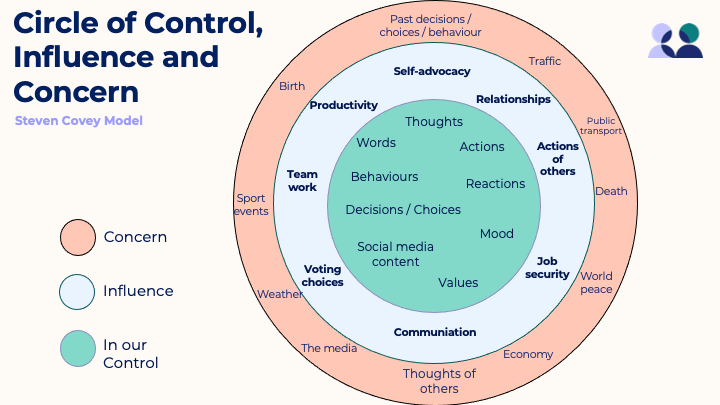
We can spend a lot of energy worrying about things we can’t fully control, such as other people’s reactions, past mistakes or waiting times.
The circle of control separates things into three groups:
- What you can control: Such as your own thoughts, actions and choices.
- What you can influence: Such as communication, relationships and asking for adjustments.
- What you can’t control: Such as other people’s thoughts, traffic and unexpected events.
Coming back to this regularly can reduce emotional overload and save your energy for where it will make the most difference.
Respond, don’t react
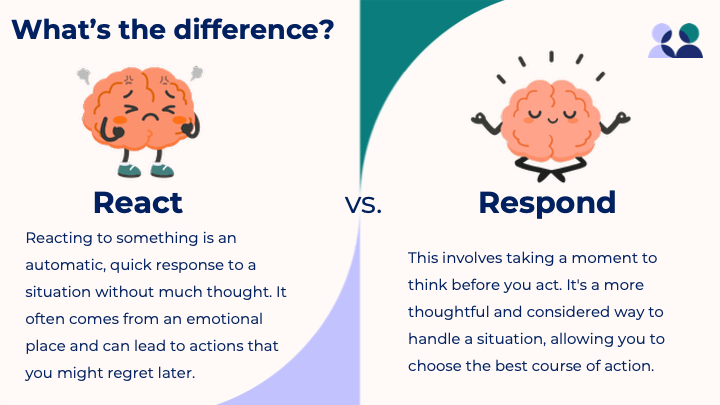
Reacting is fast, automatic and driven by emotion, and it can lead to things we later regret. Responding means creating a small pause between what has happened and what you do next.
This pause can be challenging with ADHD, as emotions are often felt intensely and quickly. But it is a skill that can be practised. The goal isn’t perfection. In that moment, you could try:
- Taking a breath and counting to five, or using box breathing.
- Holding a cold drink to help with sensory regulation.
- Giving your emotion a name.
- Asking yourself whether this will matter tomorrow.
- Thinking about what you would advise a friend to do.
- Using visual cues, such as your phone wallpaper, as a reminder to pause.
Be kind to yourself, and strike a pose
If you have experienced a lot of criticism, your inner voice can become harsh. Affirmations such as “I am learning to work with my brain, not against it” can help to challenge those negative patterns. The way we speak to ourselves matters, because we are listening.
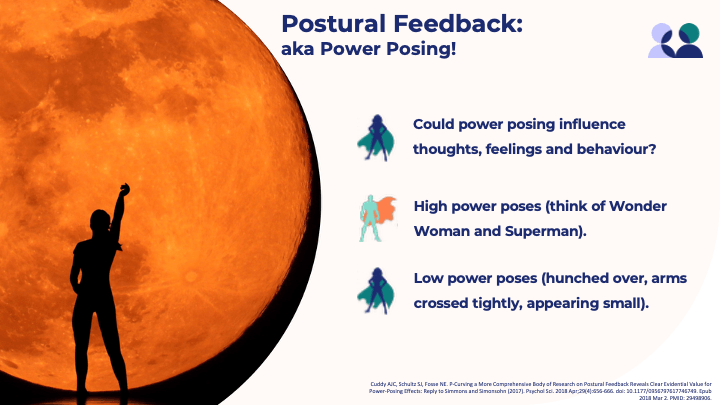
Beverley also talked about power posing. In research by social psychologist Amy Cuddy, people who held confident, open poses for around two minutes reported feeling more confident. So next time you are heading to a job interview or somewhere new, try standing like Wonder Woman.
The power of a pause: mindfulness with Dr Weeks
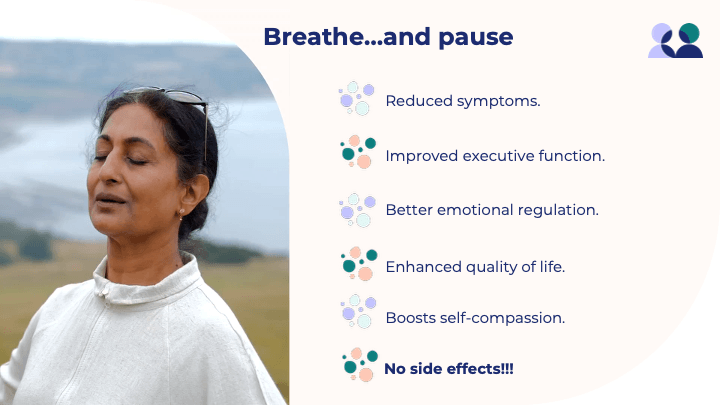
Dr Weeks, who has combined type ADHD herself, explained that many people with ADHD spend all day in demand mode, masking and under constant pressure. This can leave the body stuck in its fight or flight response, which it isn’t designed to stay in.
Anxiety is a normal human response to stress, so the aim is not to remove it, but to learn to manage it. One thing that costs nothing and needs no experience or equipment is breathing.
Dr Weeks explained that structured breathing stimulates the vagus nerve, which activates your body’s rest and digest system. This lowers your heart rate and blood pressure, and helps you to feel calmer and more in control.
Try a transitional pause
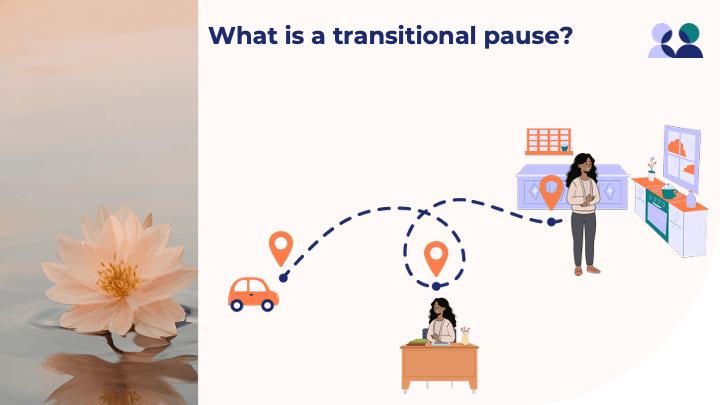
It can be hard to regulate your breathing when you are already stressed. A transitional pause is a way of getting ahead of those moments.
Each time you change location or task, stop intentionally for around 60 seconds. You could do this while waiting for the kettle to boil. These mini meditations could add up to around 40 minutes by the end of the day, without taking up any extra time.
Here is the exercise Dr Weeks shared. You can do it anywhere, even on a busy high street:
- Stand if you can, or stay seated, with both feet on the floor.
- Close your eyes, relax your jaw and part your lips slightly.
- Notice how you are feeling, with no judgement.
- Press your feet firmly into the ground and become aware of your breathing.
- Take a deep breath in, then breathe out completely.
- As you breathe in, imagine a small coloured ball travelling slowly from your belly button to the top of your head.
- As you breathe out, imagine it changing colour and travelling slowly back down.
- When you are ready, let your breathing return to normal and set an intention for what you are doing next.
Further information and support
Please contact our patient support team through Live Chat or by calling 0330 124 1980 (Monday to Friday, 8am-6pm).
- Living Well with ADHD workbook – Activities and strategies to accompany this webinar.
- Equality and Human Rights Commission – Information about workplace adjustments.
- GOV.UK – Access to Work – Government-funded support that may help disabled people start or remain in work.
Try just one thing
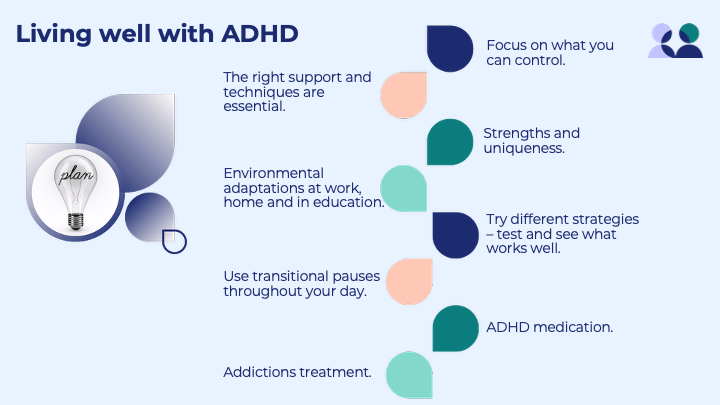
Everyone’s experience of ADHD is different, so the most important thing is to find what works for you.
As Nell Montgomery, our Chief Executive, said at the end of the webinar, try just one thing from today. Experiment and see what helps.
You don’t have to get it right straight away. Small steps can make a big difference.
Questions and practical tips from the webinar
The webinar ended with questions from attendees. Here is what our panel had to say.
Is fibromyalgia linked to ADHD?
Dr Bucur explained that there is more and more research into physical health conditions associated with neurodevelopmental conditions. Although it isn’t known exactly why, fibromyalgia appears to be more common in people with ADHD.
Why is ADHD linked to diabetes?
Dr Bucur explained that ADHD doesn’t cause diabetes, and not everyone with ADHD will develop it. However, there is a potential risk, particularly with type 2 diabetes.
ADHD can sometimes lead to dopamine seeking through meals high in sugar, which puts pressure on how insulin works. Disturbed sleep can also increase insulin resistance. Research is also looking at a possible link between dopamine and insulin, and shared genetic factors.
Lifestyle changes and good treatment of ADHD can help.
Why can stimulant medication help, but energy drinks need to be avoided?
Dr Sam Spavin explained that anything in moderation can be OK. But too much coffee or too many energy drinks can increase anxiety, pulse rate and blood pressure, and make you feel worse.
ADHD medication works differently to caffeine, acting on different chemical messengers in the brain. You are also titrated onto it safely, so that your prescriber can find the right dose for you as an individual.
Is there any advice for dealing with dorsal vagal shutdown?
Dorsal vagal shutdown is where the body freezes and you may feel numb. Dr Weeks explained that it isn’t very well known about, she isn’t an expert in it, and triggers vary from person to person.
As she understands it, a lot of the treatment is about grounding yourself and learning the signs that it is about to happen. It can help to reconnect with your surroundings through your senses, by focusing on what you can see, hear and touch.
Breathing may help, depending on how severe it is. Humming can also be helpful, including a yoga technique called humming bee breath, where you place your fingers in both ears and hum.
Missed the webinar? You can watch the full recording on the Psychiatry UK YouTube channel:
References
- Cuddy AJC, Schultz SJ, Fosse NE (2018). P-curving a more comprehensive body of research on postural feedback reveals clear evidential value for power-posing effects. Psychological Science, 29(4), 656-666. doi.org/10.1177/0956797617746749.
- Equality Act 2010, sections 6 and 20. legislation.gov.uk/ukpga/2010/15.
- Holt-Lunstad J, Smith TB, Layton JB (2010). Social relationships and mortality risk: a meta-analytic review. PLoS Medicine, 7(7), e1000316. doi.org/10.1371/journal.pmed.1000316.
- NICE (2018, updated 2019). Attention deficit hyperactivity disorder: diagnosis and management (NG87). nice.org.uk.
- World Health Organization (2020). WHO guidelines on physical activity and sedentary behaviour. who.int.
This article provides general information and is not a substitute for individual medical advice. Please speak to your GP or treating clinician about symptoms, medication or treatment decisions.

Leave A Comment